

I treated focus as a skill I could master with willpower alone until my brain stopped cooperating. That changed on March 14 when I quit Adderall cold turkey after three months of daily use for productivity. My first full day off felt like swimming in syrup-tasks took hours, emails sat unopened, and the presenter's warning about a tenfold drop in concentration after quitting wasn't hyperbole. It was my life, half-remembered during those weeks.
The prefrontal cortex handles goals; insula and thalamus help it function under stress. Adderall boosts dopamine and norepinephrine, artificially amplifying that system. I tried balanced doses for months-focus sharpened, work felt effortless. But the presenter's withdrawal warning wasn't vague. It was real: when I stopped using stimulants, my brain's natural filters failed entirely.
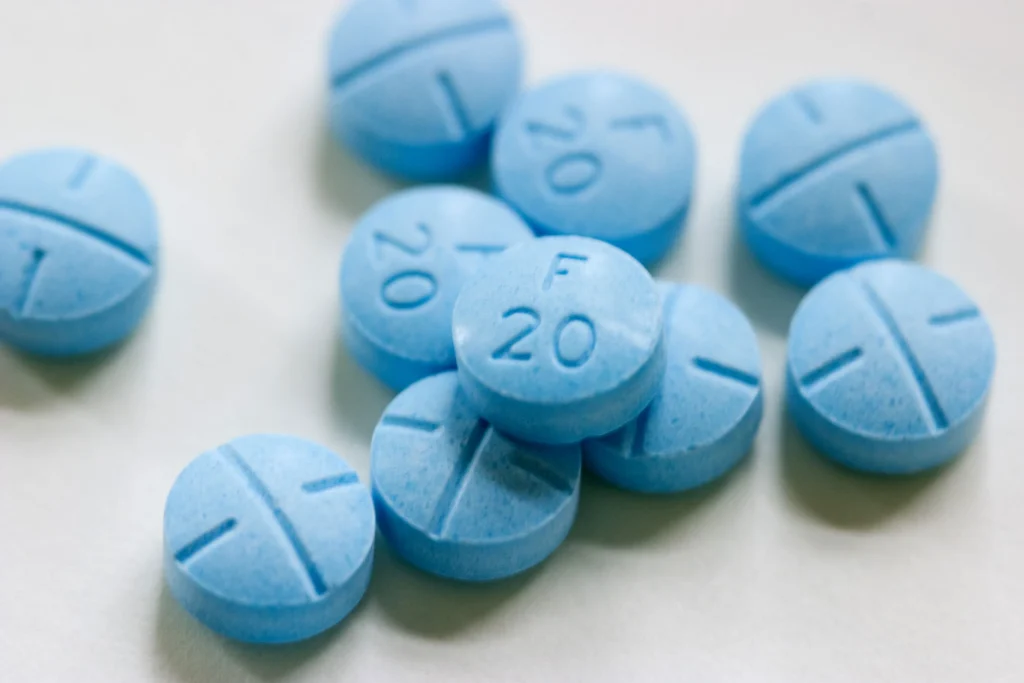
The brain adapts to Adderall by overloading dopamine pathways. Captagon does the same chemically but with different effects. The presenter says 90% of Captagon users are from one region-a red flag not backed by external data, but still worth noting. These drugs trick the brain into believing it's in a high-stakes environment where every second counts. When I quit Adderall, that illusion vanished. My focus didn't just slow down-it unraveled entirely.
Sustainable attention training is supposed to build resilience without chemicals. I tried working on tasks I disliked while blasting noise and scrolling through Twitter-slightly effective but nothing compared to stimulants' clarity. Progressive overload, gradually extending focus periods, beats any app's 90-minute "deep work" challenge. Still, even that felt like playing catch-up after Adderall rewired my brain.

Sleep matters more than I realized. The presenter cites 44 studies showing how sleeping only 2-6 hours impairs performance compared to 8-9 hours. His own data shows an 80% improvement in focus after fixing his habits-a number that's precise and measurable for him. For me, timing mattered: going to bed before midnight made all the difference even with seven hours of sleep. But mobile phones are "one of the worst things for focus," according to the presenter. They reduce attention spans to seconds; my experience confirmed it.
The real cost isn't just mental. Relying on stimulants or sleep hacks forces productivity at a price: natural rhythms that let your brain rest properly get lost. I tried quitting Adderall again, using only progressive overload and strict phone limits-concentration improved but didn't match what drugs had given me before. The presenter's advice to take breaks after an hour of focused work is solid, but it doesn't fix the underlying problem: my brain was still exhausted from pushing past its natural limits.
I've never liked chemical shortcuts. But I can't ignore how effective they are-and how devastating their withdrawal is when you stop. The presenter's 10-fold drop in concentration after quitting stimulants isn't just an anecdote; it's backed by his own data, even if the studies on sleep haven't been shown. My experience mirrors that: I'm still figuring out what my brain can handle without Adderall.
The brain's focus is a fragile system-and stimulants break it faster than they fix it.