
I treated the Buy button on a game store as a bill of sale for years. That belief cracked on July 1, 2026, when Sony said it would stop making discs for new PlayStation games from January 2028. It broke on October 15, when Rep. Ritchie Torres announced the Power to the Players Act, a bill that would give digital buyers ownership by law. I was wrong about what that money bought. This piece shows where the gap sits, what the bill would close, and what closing it costs.
Sony Set a Date for the Last Disc
January 2028 ends new physical PlayStation games.
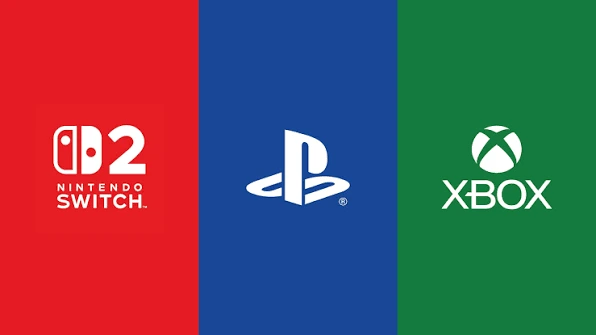
Sony announced the change in a PlayStation Blog post on July 1, 2026. From January 2028, disc production stops for every new PlayStation game, according to Dexerto’s report on the post. New releases will ship through the PlayStation Store or as store codes sold by other retailers. Sony called the move a natural direction and cited the rise of digital sales. A second post that day announced the closing of the PlayStation 3 and Vita stores, The Star reports.
Ken Kutaragi, who oversaw the first three PlayStation consoles, defended the economics when he spoke to Video Games Chronicle this month. He said continuing disc production no longer made economic sense, admitted that Sony’s handling caused friction with fans, and stressed he speaks for himself, not Sony. One sentence of his explains the fight: “I understand that physical discs have become a metaphor for ‘owning’ games.”
Torres Wants Three Rights Written Into Law
Own, play and transfer, enforced by the FTC.
Torres announced the Power to the Players Act on October 15, 2026, but it had not yet been introduced in Congress, per Gadget Review. It would direct the Federal Trade Commission to write rules that treat a digital game purchase as ownership instead of a revocable license. Torres frames the goal as three rights: to own, to play and to transfer. Online games would also need an offline mode before their servers shut down. The scope stops at games, TechSpot reports, with movies and music left out.
NBA 2K25 Shows the Gap in Dollars and Dates
Price paid, date lost: one game, two numbers.
Torres’s office chose NBA 2K25 as its example. The game launched in 2024 at prices between $70 and $100, according to Mezha, and its servers shut down on December 31, 2026. Before that date, a buyer gets the online modes. After it, Gadget Review reports, only offline modes such as Play Now and MyNBA remain.
A license works like a hotel key card. It opens the door until the hotel switches it off. Ownership is the key to a house you already bought, and no desk clerk holds the switch. The bill tries to move game buyers from the first key to the second.
Earlier Attempts Stalled Before This One Started
California’s version died three votes short.
California’s Protect Our Games Act, AB 1921, stalled in a state Senate committee three votes short, TechSpot reports. It would have required 60 days’ notice before a shutdown and a remedy: an offline mode, support for community servers, or a refund. HotHardware calls the federal road uphill and expects publishers to lobby against the bill. It adds that the announcement alone could pressure publishers to change policy. The Stop Killing Games campaign, which grew after Ubisoft took The Crew offline in 2024, pushed the same demand, PC Gamer notes.
Ownership by Law Sends a Bill to Publishers
Offline modes and definitions cost real work.
Publishers argue that licensed music, player likenesses and car brands make keeping old games alive hard, as TechSpot summarizes. An offline mode means developers must build and test a second way to play before the servers go. The bill also leaves open how it defines ownership and offline mode, a point Gadget Review says will carry weight if industry challenges the rules. None of that makes the idea wrong. It does mean the price lands on someone.
I now look for the word license before I pay for a digital game. News reports, not the bill itself, shaped this piece, so I can’t say how the bill defines ownership. Sony stops pressing discs for new games in January 2028, and the bill that would set terms for digital ownership has not passed. A purchase button is not a bill of sale.