

I assumed a child who finishes a hard game understands how the game works. That belief held until I read an article by Ali Adil Ali Al-Zubaidy, a PhD researcher at the University of Debrecen in Hungary. He also founded Coding for Kids Iraq. I was wrong about the gap between playing a game and building one. This piece covers what he argues, what the research behind it shows, and what he says it can’t prove.
A Finished Level Proves Nothing About the Code

Playing and building use different muscles.
Al-Zubaidy defines Generation Alpha as children born between about 2010 and 2024, though he notes that sources disagree on the edges. These children grew up with smartphones, tablets and interactive games. His point is that fluency with a device does not equal knowledge of how it works. A child can clear a complex level without knowing which algorithm moves the characters or counts the points.
He cites Kafai and Burke (2014), who argue for moving from programming as an individual skill to computational participation, where learners build digital products and share them with others. That sets the question for the whole article: whether children should stay consumers of technology or learn to create it.
Building a Recycling Game Teaches Five Concepts
The child stops following rules and writes them.
His example is a game called Planet Rescue Journey, where a character dodges obstacles, collects recyclables and earns points for good choices. Building it teaches five concepts: sequence, conditions, loops, variables and debugging. Playing the same game means following rules someone else wrote. Building it means writing those rules, then testing them with classmates and rebuilding.
Playing is eating at a restaurant. Building is working the kitchen, where someone must decide how the dish is made.
Brennan and Resnick (2012) split computational thinking into three parts: concepts, practices and perspectives. Concepts cover sequences, loops, events, conditions and data. Practices cover testing, debugging and reusing ideas. Perspectives cover whether learners see themselves as people who can create and share.
Sáez-López and colleagues (2016) studied Scratch in five elementary schools over two years, with 107 students. They reported positive results for active learning and for programming concepts such as sequence, loops and events. Al-Zubaidy adds a warning: those results do not mean every game project teaches the same amount, because outcomes depend on teaching design, resources and assessment.
Four Platforms Cover Blocks, Hardware, Arcade and 3D
One of them isn’t even a game tool.
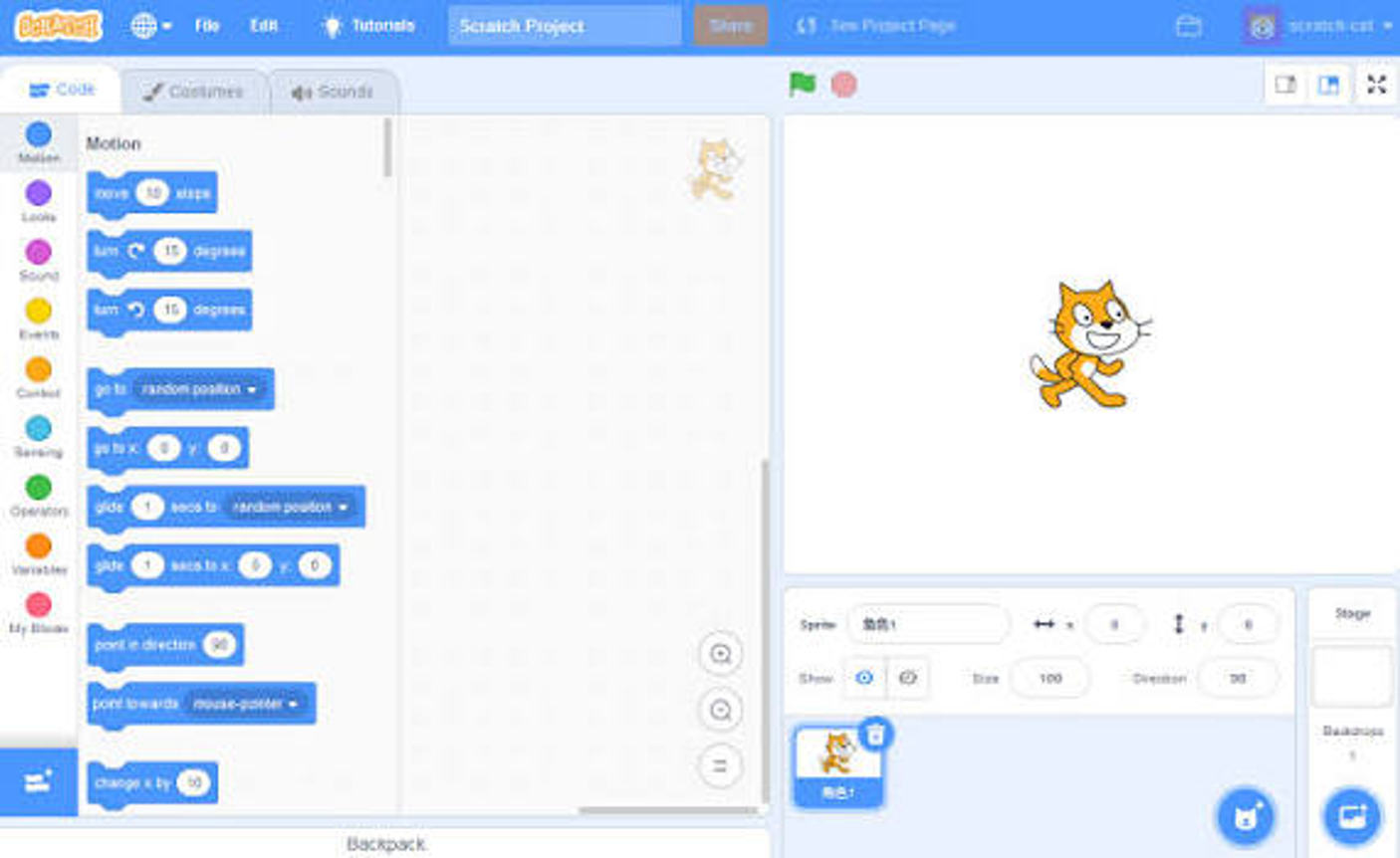
Scratch lets children snap visual blocks together to build stories, animations and games. Microsoft MakeCode uses blocks too, can move into text code, and pairs with the BBC micro:bit. With the micro:bit, students build projects around buttons, sensors and physical outputs. MakeCode Arcade builds two-dimensional games with characters, obstacles and scoring. Tinkercad is the odd one out, as Al-Zubaidy says himself: it is a tool for 3D design and circuit simulation, not game development.
Iraqi Programs Are Described, Not Measured
The author says so himself.

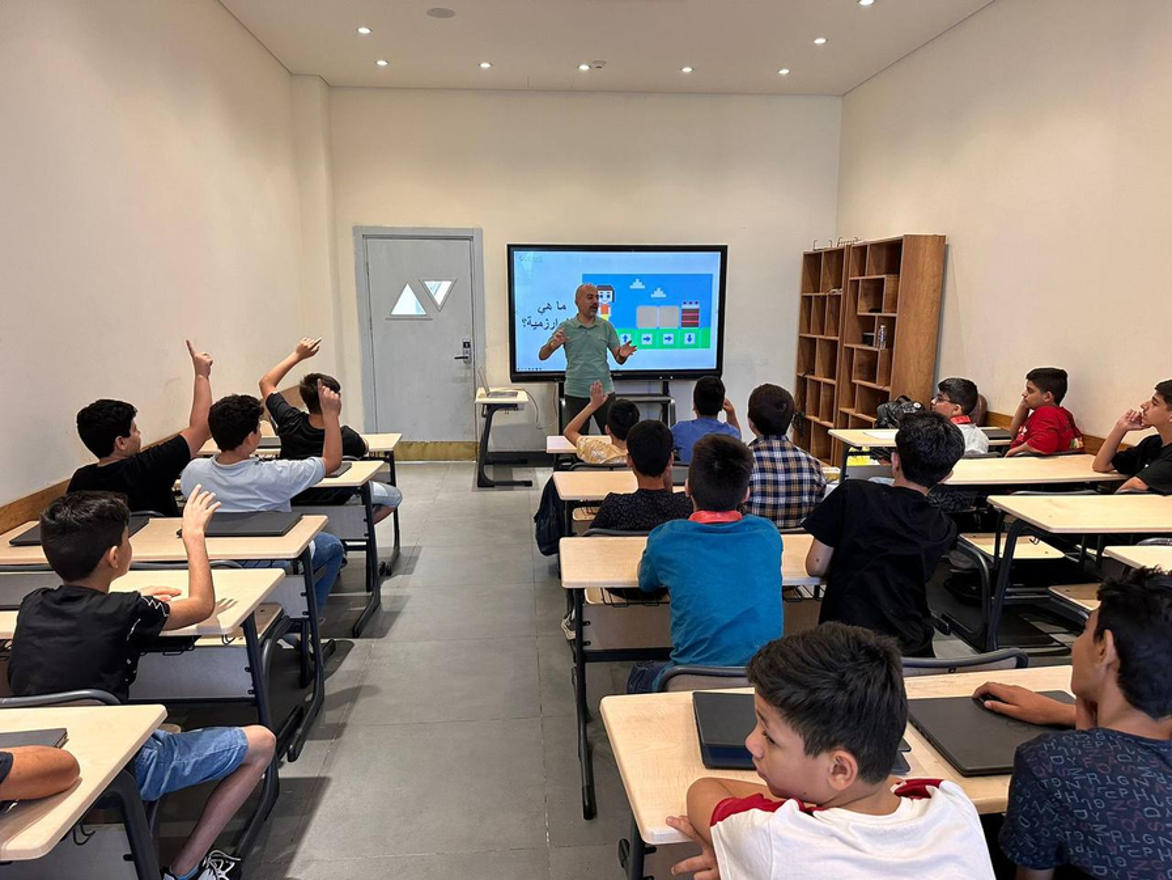
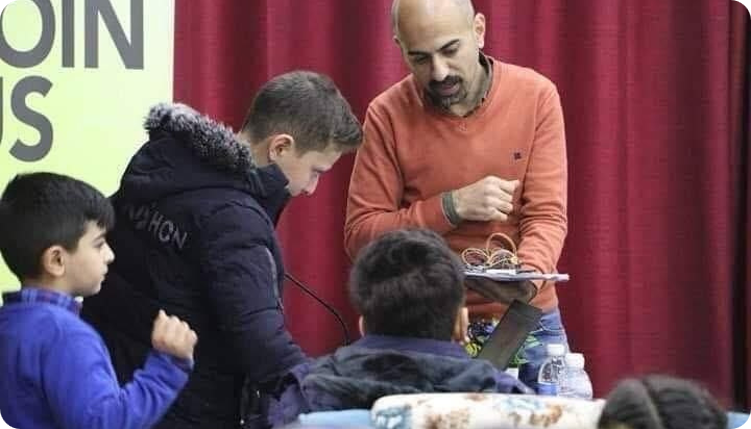
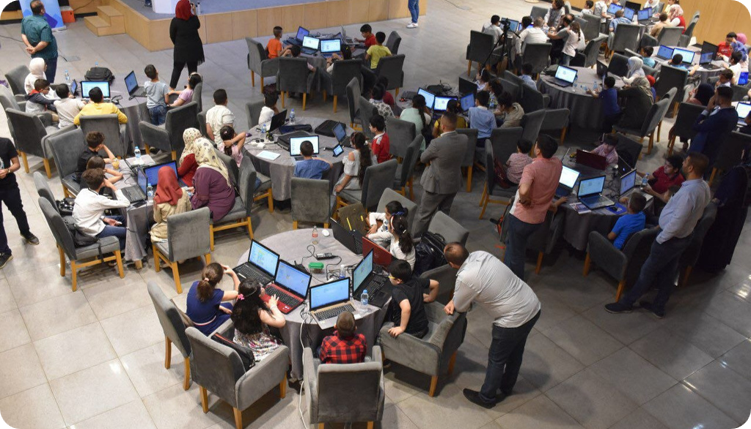
His lecture covers the Al-Ajyal Foundation for Technological Empowerment and its activities. Those include do your:bit (2023, 2026), Raspberry Pi work, Game Expo 2025, Dar Hisham Al-Dhahabi and the Sinbad Educational Journey. He names three principles behind them: hands-on learning, collaborative learning and inclusion of children from different regions. Then he marks the limit: without participant data, learning assessments and documented outcomes, impact cannot be established. He proposes pre- and post-training tests, project evaluations and student feedback for future studies.
Devices, Teachers and Time Set the Price
Access and training come before any curriculum.

Devices and reliable internet vary between schools. Teachers need training to tie programming to curriculum goals. Children still need physical activity, social time and age-appropriate screen use. Al-Zubaidy cites UNESCO’s 2023 Global Education Monitoring Report, which warns against treating technology as an automatic fix and points to thin evidence in parts of education technology. That puts the burden on schools to supply tools, training and assessment before any game project starts.
An AI Tool Can Write the Code and Skip the Learning

Al-Zubaidy leaves the question open.
Al-Zubaidy ends on a question he doesn’t answer. If an AI system writes most of a game’s code, how can a teacher tell whether the student understands the concepts? He adds concerns about intellectual property, privacy, age-appropriate content and dependence on automated tools. His recommendation is to treat AI as a learning aid, not a replacement for independent thinking. He calls for research on how it changes understanding, creativity and project quality.

His closing line is the one I’d keep: “The purpose is not to turn every child into a professional game developer.” One article, read without the lecture slides or any participant data, can’t tell me how the Iraqi programs perform. I now ask who wrote the rules before I ask how well someone plays. Building writes the rules.