
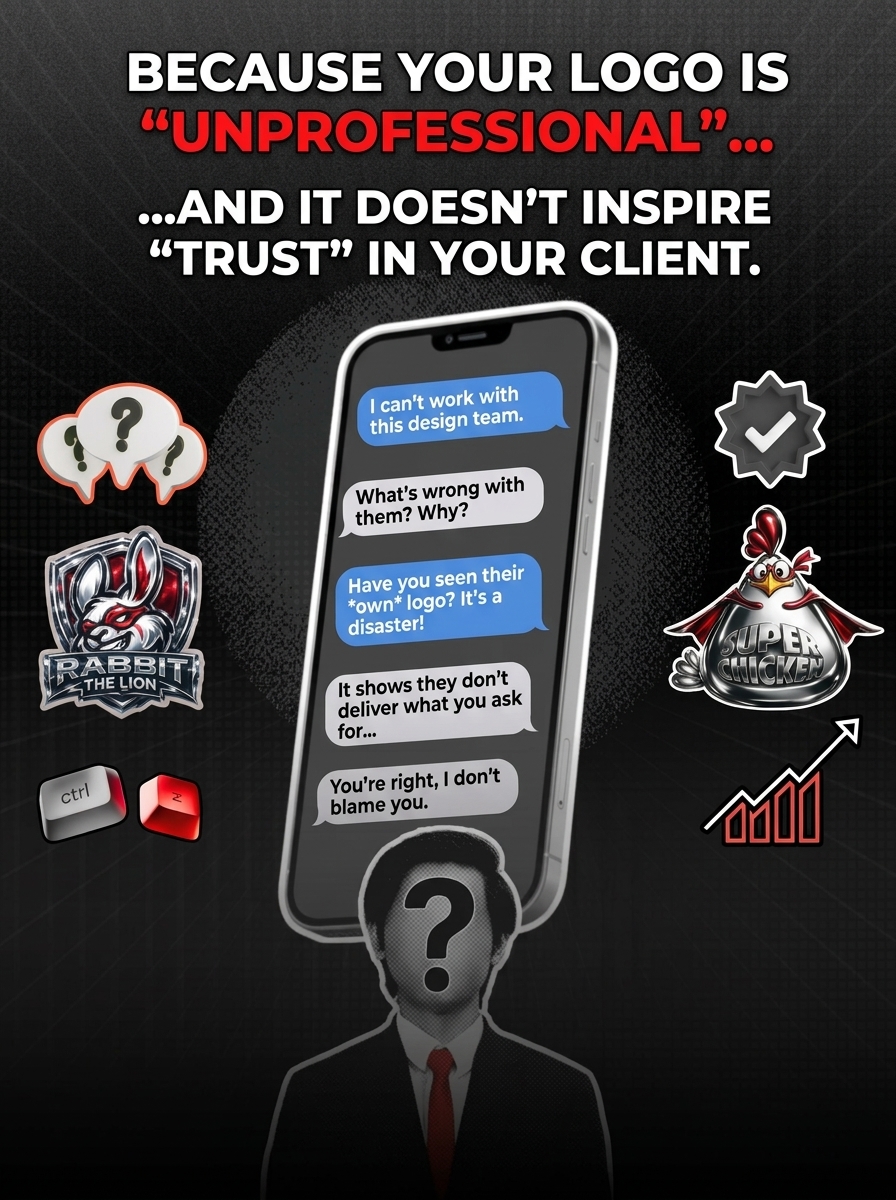
An unprofessional logo fails to inspire trust in your clients. When a client sees a disastrous logo from a design team—like combining random, confusing concepts such as "Rabbit the Lion" or "Super Chicken"—it immediately shows they don't deliver what is asked for, prompting the client to refuse to work with them.
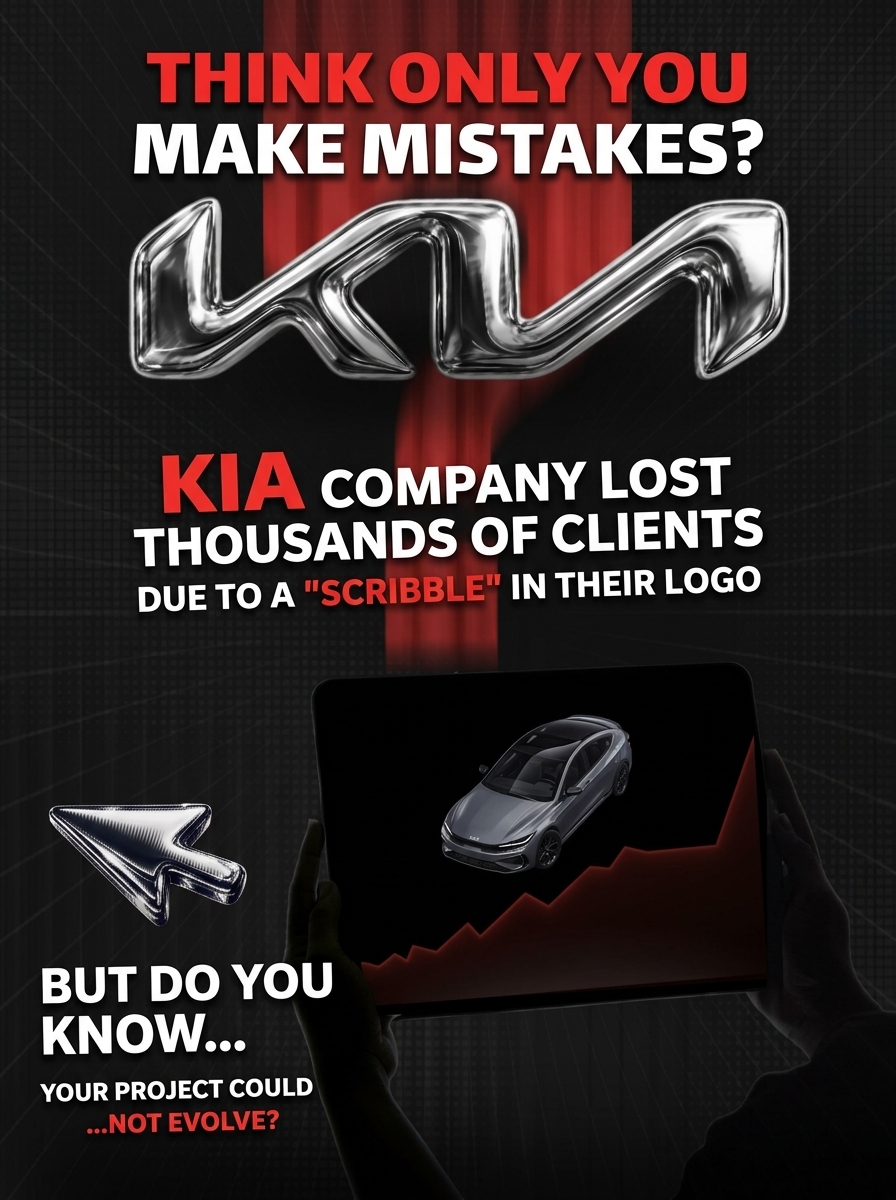
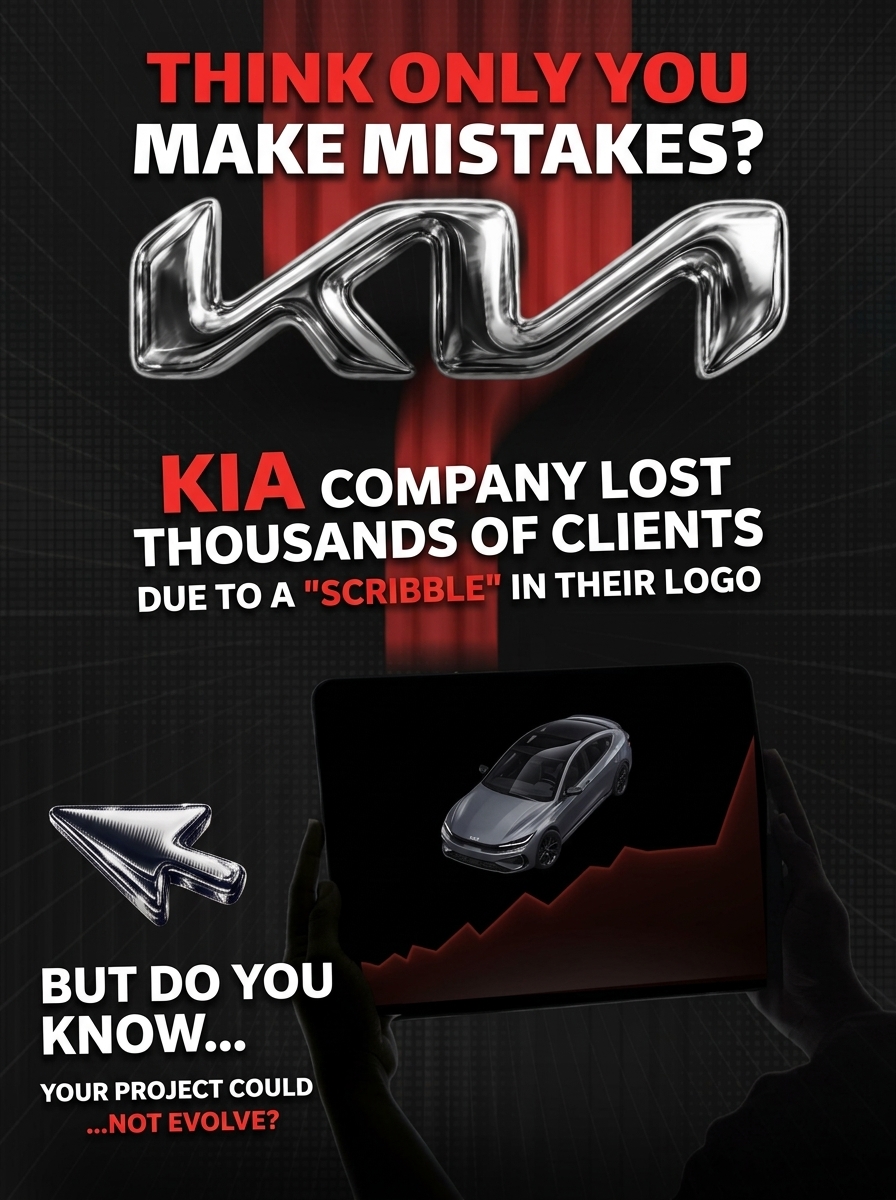
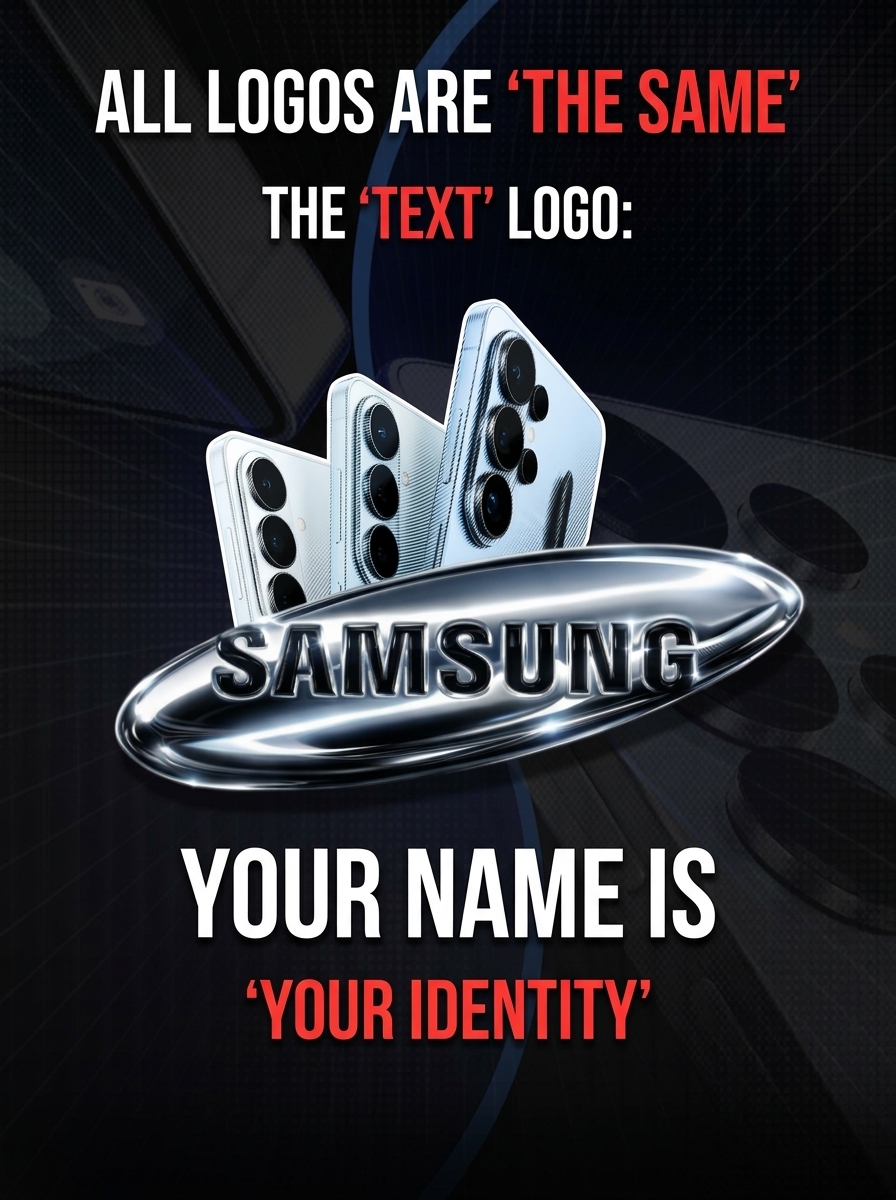
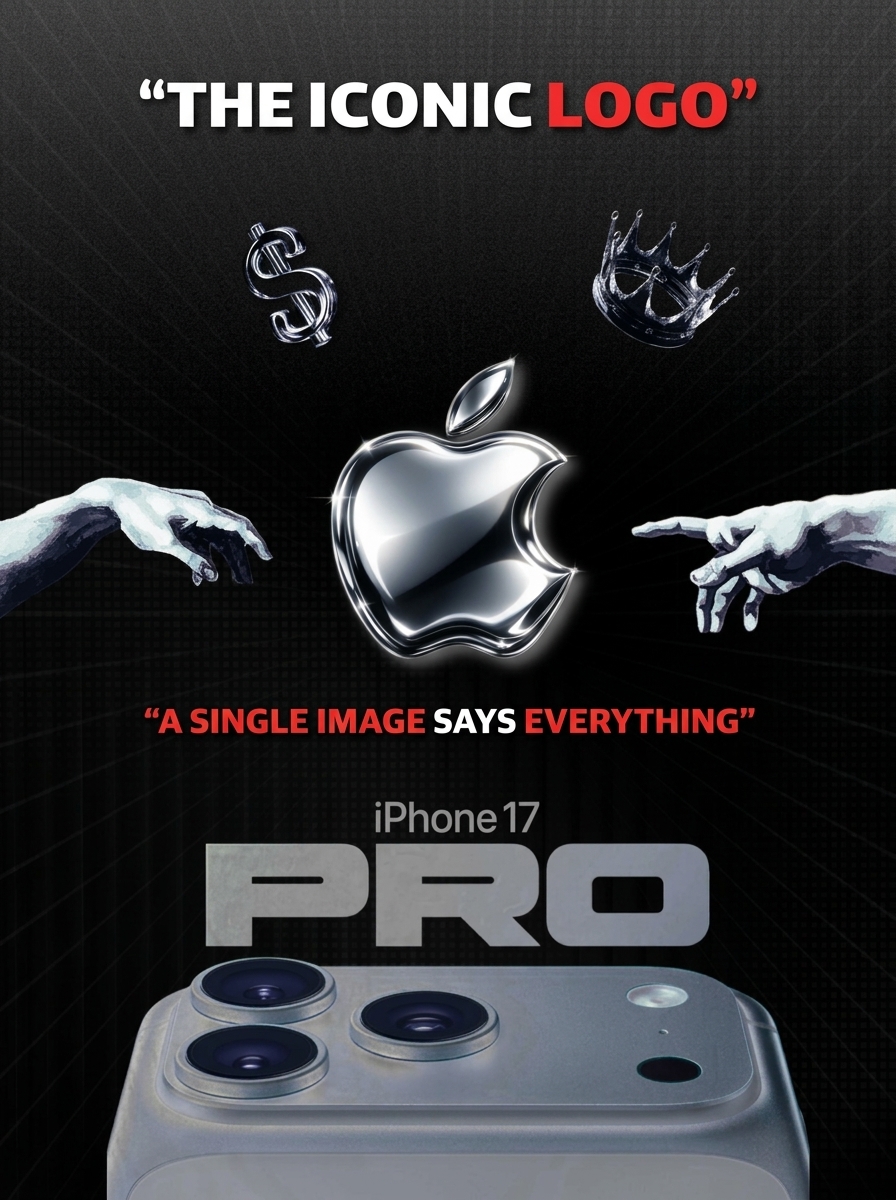
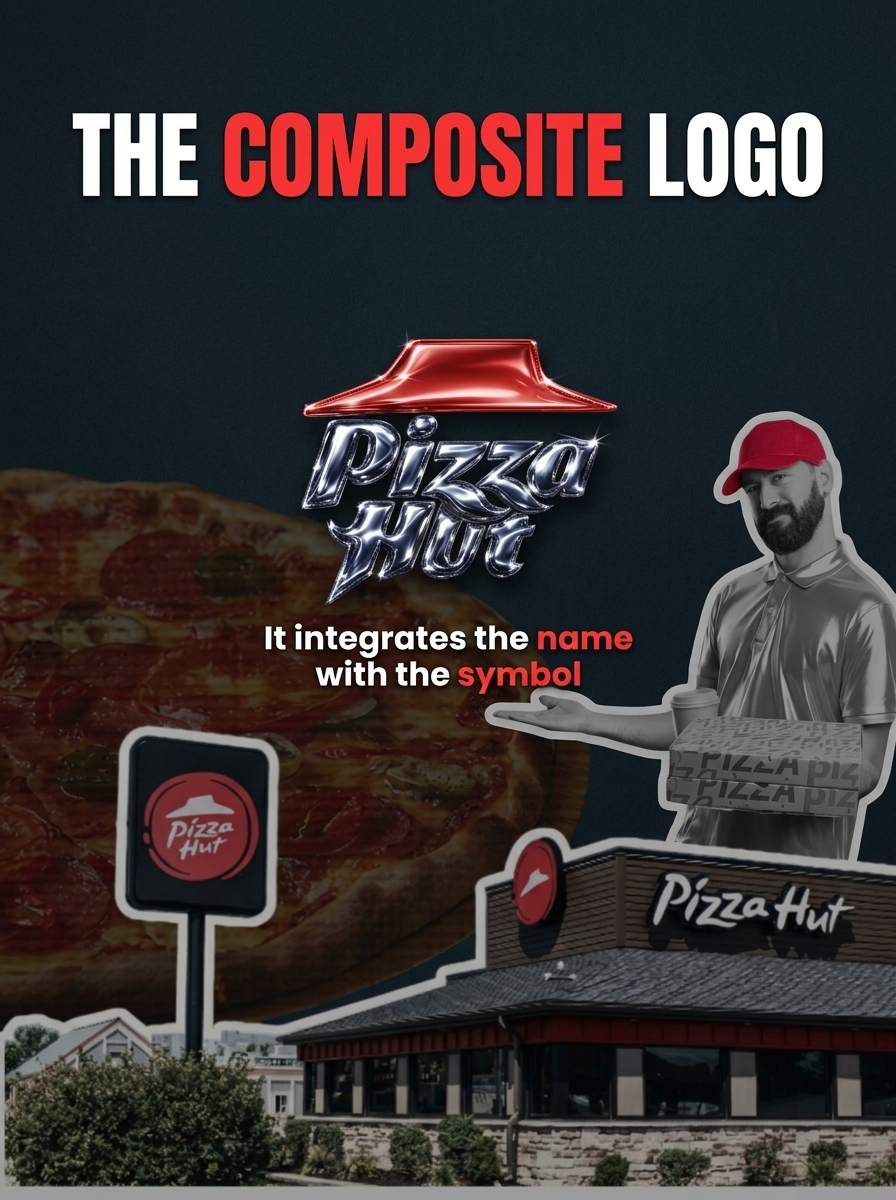
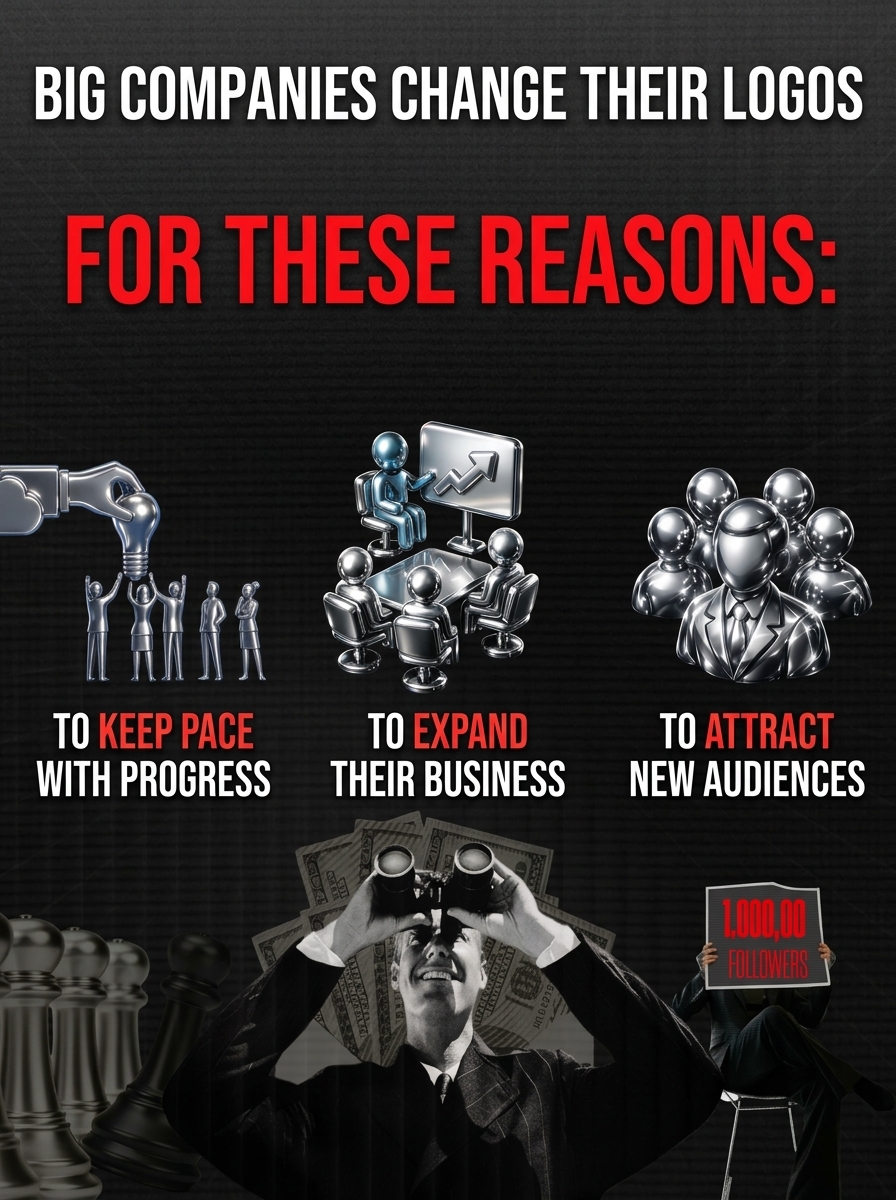
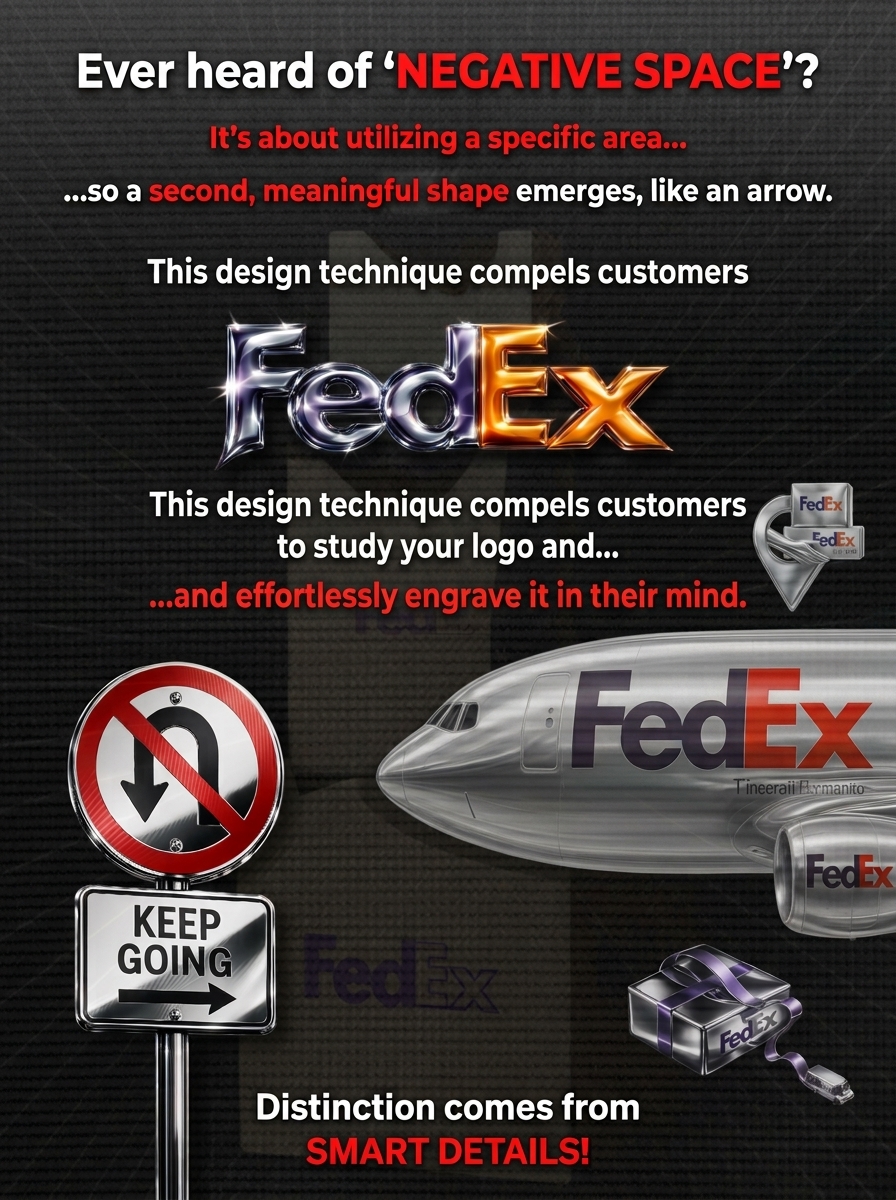
Why Do Big Companies Change Their Logos? Changing a visual identity is not a random decision for successful companies. It is a strategic move made for several core reasons: To keep pace with progress. To expand their business. To attract new audiences. Logo Design Strategies and TypesTo avoid critical mistakes and build a strong visual identity, you must understand the different logo types and the techniques that make them stick in people's minds:The Iconic Logo: This design relies on the power of an abstract image, where a single image says everything and encapsulates the entire brand identity, with Apple being the most prominent example. The Text Logo: In this type, your name is your visual identity. The brand relies solely on the written text to establish its identity, as seen in Samsung's logo. The Composite Logo: This logo integrates the name with the symbol into one cohesive design, such as the Pizza Hut logo. Negative Space Technique: Distinction comes from smart details. This technique relies on utilizing a specific area within the design so a second, meaningful shape emerges, like the cleverly hidden arrow in the FedEx logo. This design technique compels customers to study your logo and effortlessly engrave it in their mind. Choosing the right logo and a smart design technique is the first step to creating a real "buzz" around your brand. After exploring these types and techniques, the most important question you must ask yourself before launching your project is: Oh, what a kind... what will your logo be?.