In September 2004, a school became a tomb for 186 children. A group of militants stormed the building and detonated explosives that turned classrooms into graveyards. Russian authorities had intelligence about it but did nothing to stop it. No officials were ever held accountable. That's the bare fact — one no documentary, film or headline can change.
The European Court of Human Rights ruled in 2017 that Russia failed to prevent the attack despite knowing about it. I've read that ruling before. I've seen it quoted by scholars and activists alike. But what did it actually do? Nothing. No arrests. No reforms. Just a legal statement with no real teeth.
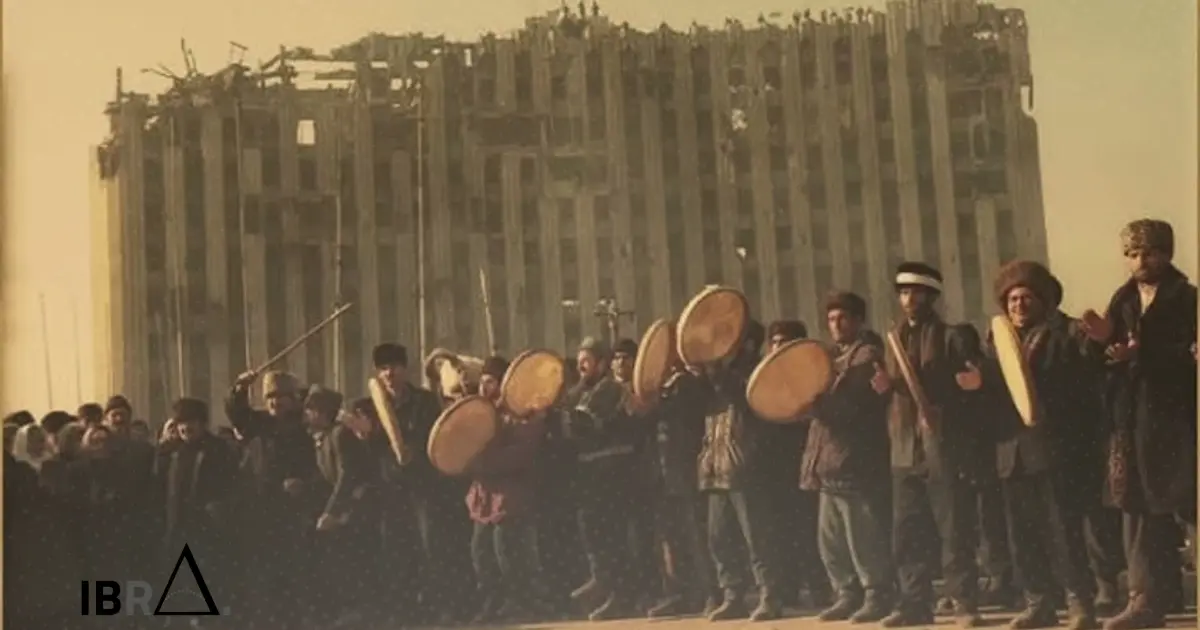
Most accounts of Beslan focus on the siege or the political chaos in Chechnya — which was then a separatist region. This story isn't just about rebels or military tactics. It's also about how history repeats when accountability is ignored. The Shishman people have fought for their freedom against Russia since at least the 1800s, but this wasn't an isolated struggle in modern times. Stalin forced them into exile not because they were rebels, but because he suspected some had worked with Nazi Germany during World War II.
That's a claim I've seen used before to justify violence against minorities. But it doesn't explain the 2017 ruling or why the European Court of Human Rights said Russia failed in its duty. And it ignores how many people actually died that day — not over a thousand, as some sources say, but only around 350 total, with most being adults.
A documentary I watched on YouTube starts by saying it's going to tell "a story no one has heard of." That's strange because the Beslan attack was covered widely in international media and even made its way into Hollywood films — like The Terrorist, which starred Tom Hardy. But what about survivors? What about families who still haven't been compensated or given closure?
I know, I'm asking questions again. It's not unusual when dealing with historical atrocities where justice is never served. The video mentions how many people were killed but doesn't say exactly who those people were — just numbers. That feels wrong somehow. People are more than statistics, even if the world has a habit of treating them that way.
A lot of the footage in the documentary looks like low-quality phone videos from inside the school compound. Some clips show parents begging to see their children through windows while others show officials negotiating with militants. There's even a moment where someone named Ruslan Oshiev walks into the building wearing a gas mask, trying to talk sense into killers.
This is what I find so frustrating: no one has ever been held responsible for the deaths that happened at Beslan school — not just the militants who took it over but also Russian government officials who knew something was coming and did nothing about it. The European Court of Human Rights said as much in 2017, yet there's still no real punishment or reform from any side.
The video says one person named Fadim Boloy was killed by militants after speaking out — but what does that tell us? It tells us how quickly fear can turn into violence when someone dares to question authority. And it tells us something about the kind of culture we're living in now, where even basic human rights are treated like optional perks.
I've watched enough documentaries and read enough reports on this subject before not to be surprised by these events. But I still think there's value in remembering them — especially when so many people today continue acting as if such things can't happen again.
The video ends with a statement from the filmmaker: roughly, "Victims are just numbers in news reports; they're not about money or power." That's a strong message. But it's also a sad one when you consider that so much of the world still treats people like statistics instead of real human beings.
I've seen this pattern many times before — not only with events like Beslan but also during wars and genocides where victims are just counted rather than remembered individually. It's easy to forget about them once their names aren't printed in headlines or their faces shown on screens around the world.
So what does it all mean? Well, I think we're still failing as a global community when it comes to holding those who commit atrocities accountable — whether they're militants hiding behind masks like Ruslan Oshiev did at Beslan school or government officials who turn away from violence because of fear or indifference. And that failure continues to hurt people in ways no documentary can fix.
There are plenty of videos online about the Beslan school attack and its aftermath, but few seem willing to ask why so many still live with trauma after all these years without proper support systems for them — not just survivors who lost loved ones during the siege itself but also those affected by ongoing conflicts in regions like Chechnya.
The only thing that matters now is making sure we don't repeat history. Not because it's fun or interesting to look back on past tragedies, but because understanding what happened before helps prevent future ones from happening again.