
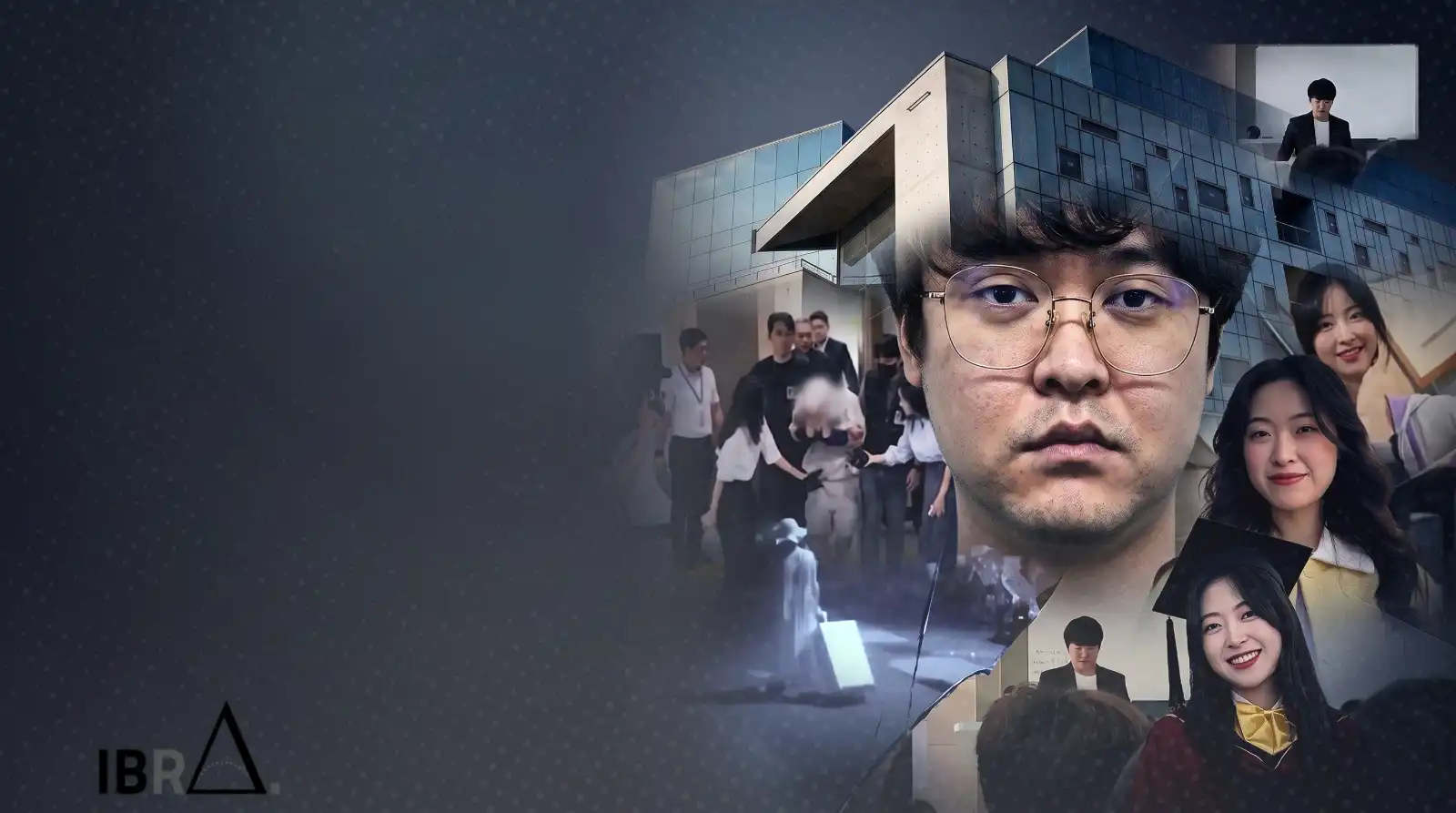
August 20, 2026 was a normal day for Woon. She had just finished her master's degree at Daegu Catholic University in South Korea and planned to return home on August 23. That afternoon, she left the campus with no signs of trouble — nothing out of place, no frantic calls from friends or professors. Then, silence.
Her family didn't notice anything was wrong until three days later when Woon failed to check in. At that point, they were still under the impression she had simply missed a call or fallen asleep late. But by August 23 — the day she was supposed to return home — her absence became impossible to ignore.
The first problem they faced wasn't the disappearance itself but the language barrier. South Korean police initially moved slowly because the initial report came through an interpreter and involved multiple bureaucratic steps. When Woon's family finally spoke with local authorities, it had already been too late. That's when they turned to the Chinese consulate in Busan — not just for help reporting her missing but as a bridge between two systems that otherwise might have stalled.
South Korea has its own procedures for missing persons cases, but this one involved more than jurisdictional boundaries. Woon was a foreign student with no local support network and no fluency in Korean. The consulate didn't act like an abstract diplomatic body — it became something else: a translator, an investigator's assistant, a moral anchor that kept her family from being lost in bureaucracy or miscommunication.
That role wasn't accidental. It happened because the case required more than just filing paperwork. Woon was someone who had recently completed her degree and intended to return home within days of vanishing — meaning it became not only a missing person's case but an international one too. The consulate didn't wait for local authorities to act; they pushed them, kept pressure on them throughout the investigation, and ensured that both countries had a role in finding Woon.
The real twist came when police identified Jong as the suspect — someone who had taught at the same university where Woon studied. According to video reports , he told authorities that he was in a secret relationship with her one that could have ruined his career if exposed. That fear led him to kill her, but not just once — he dismembered her body across multiple locations: landfills, riverbanks, mountains, and even inside his own apartment.
What's chilling is how carefully he planned it all. He had access to Woon's room, knew where she was most of the time, and waited for a moment when she wasn't around — August 20, just as she prepared to return home. After killing her, he even dressed in her clothes before fleeing to a subway station — that detail alone gave police enough evidence to begin searching his apartment.
South Korea's procedures for missing persons cases are strict, especially when they involve foreign nationals. But Woon wasn't an ordinary case; she had just completed her degree and planned to return home within days of vanishing. That meant the investigation didn't stop at local police — it became a matter for international law enforcement too.
The Chinese consulate in Busan played more than just an administrative role. They pushed South Korean authorities, kept pressure on them throughout the search, and ensured that Woon's family wasn't left waiting indefinitely while investigations took their own time to unfold. This was about communication — not just between two countries but within one as well.
Still, there are gaps even consulates can't fill. How exactly did Jong manage to move her body parts across so many locations? Police found them scattered — some under a landfill pile near Daegu, others along riverbanks and up mountains. That kind of movement would require more than just a single person moving them; it needed planning, time, and possibly help from someone else who wasn't on the radar of investigators yet.
There's also the question of Jong's academic background — which might have played a role in how he handled the crime. He was 31 years old and had been enrolled at Daegu Catholic University since 2017, earning his PhD in February 2024. That level of education is impressive for someone who ended up committing such a violent act — especially one that required knowledge about body disposal techniques.
What's even more unsettling is the fact that Jong was arrested five days after Woon disappeared — not because he confessed but because police had enough evidence to move forward without him. They found her body parts in multiple locations across South Korea and traced them back to his apartment where they were stored for several weeks before being moved again.
So why did it take so long? Why wasn't the case resolved faster if there was already a suspect with a clear motive? The answer lies not just in police procedures but also in how quickly international cooperation can break down. Woon's family might have been able to get help from their consulate, but that doesn't mean South Korean authorities didn't face delays or miscommunication during the investigation.
And yet — despite all of this — the case highlights one thing: consulates are more than just bureaucratic offices. In situations like these, they become lifelines for families who find themselves stuck between two legal systems with little to no support from either side unless someone steps in and takes action.
For years now, I've thought of consulates as places where paperwork got done — not where lives were saved. But this case changed that view for me. It shows how crucial international cooperation is when dealing with cross-border crimes like these, especially ones involving someone who was in a foreign country and had no local support network.
The fact that the Chinese consulate played such an active role in Woon's disappearance highlights just how much they can do — not just on paper but in practice. They pushed for action, kept pressure on local authorities, and ensured that her family wasn't left waiting indefinitely while investigations took their own time to unfold.
Sure, there are questions still unanswered about exactly what happened during those five days between Woon's disappearance and Jong's arrest. But one thing is clear: without the consulate stepping in when they did, this case might have taken even longer than it already did — or worse, never resolved at all.