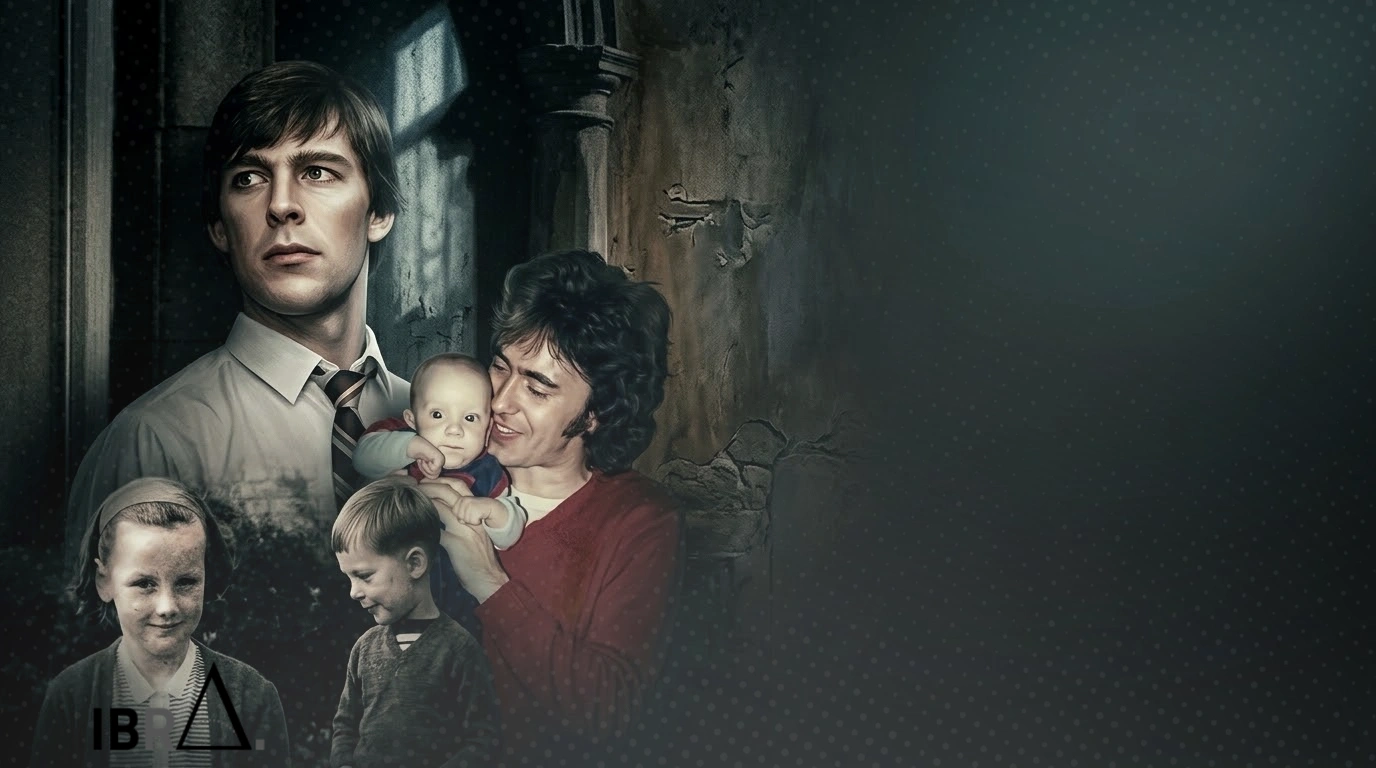

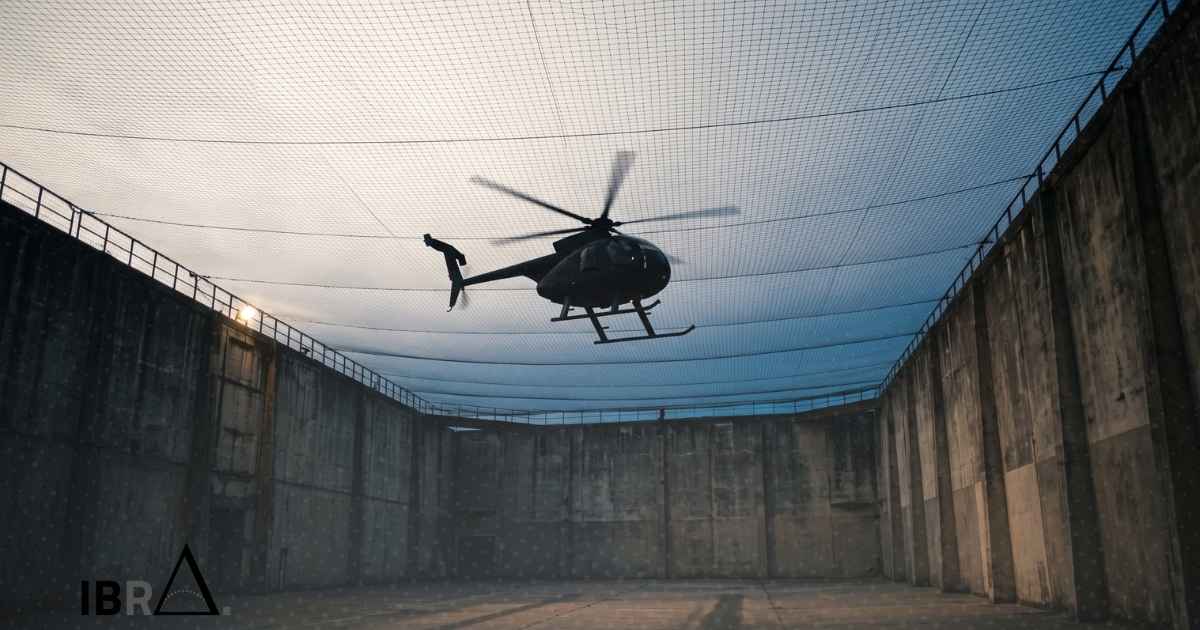
By the summer of 2007, the French prison service believed it had the Pascal Payet problem under control. He was its most watched inmate. Guards moved him between prisons every few months and held him in solitary. On July 14, a helicopter undid all of it in under ten minutes.
Payet escaped French prisons by air three times. This is how one man turned the sky into a door.
A robbery in 1997 set everything in motion.
Payet was born on 7 July 1963 in Montpellier. He left school young and moved into car theft before graduating to armed work. He built a crew with Éric Alboreo and Michel Valero, known for bold hold-ups and a stated rule against needless violence.
That rule broke in 1997. A holdup on an armored truck near Salon-de-Provence turned into a shootout, and a security guard was shot dead. The killing put Payet at the center of a national manhunt. He was arrested and sent to Luynes prison to await trial.
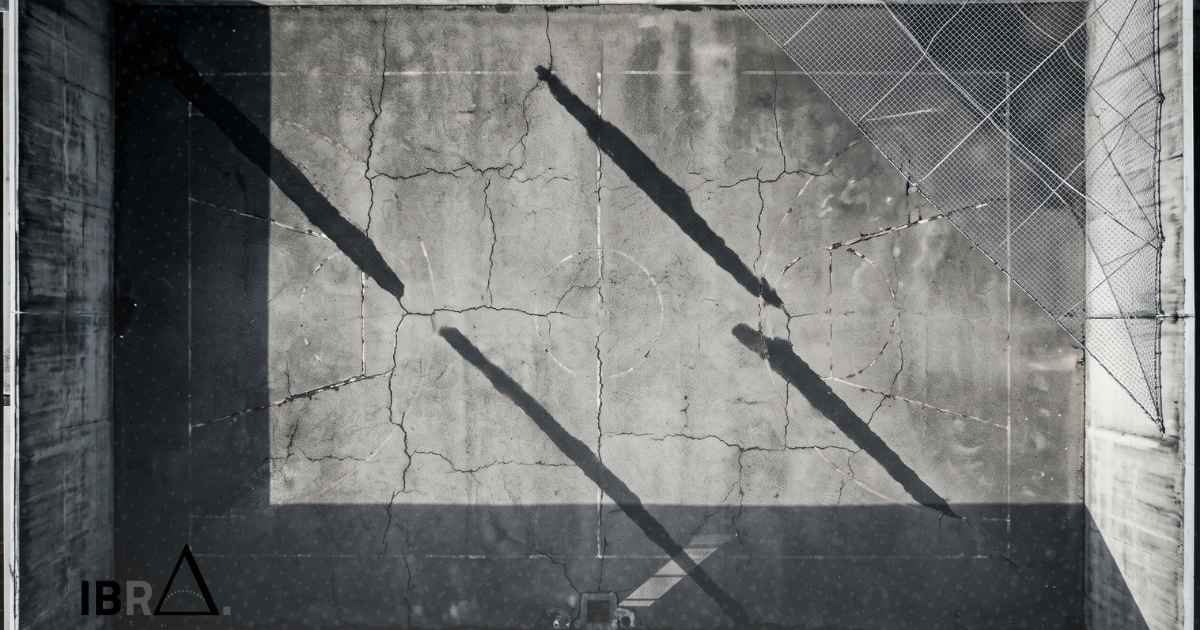
The first helicopter arrived over Luynes in 2001.
In October 2001, a helicopter appeared above the prison exercise yard. Payet and a second inmate climbed aboard and flew out. He had not yet stood trial for the 1997 murder, and now he was gone. The escape made headlines across the world and turned a robber into a folk figure.
France answered by stringing a steel net over the yard, the way you might stretch mesh over a garden pond. It held for two years.
In 2003 he flew back for his friends.
On 14 April 2003, still on the run, Payet organized a second escape from the same prison. This time the target was not himself. Men descended onto the anti-helicopter net, cut through it, and dropped a ladder to free three associates, among them Michel Valero and Éric Alboreo.
The three were recaptured within weeks. Payet lasted longer, but not forever. Police took him months later, and in 2005 a court sentenced him to 30 years for the 1997 killing. The state moved him to Grasse prison and watched him closely.
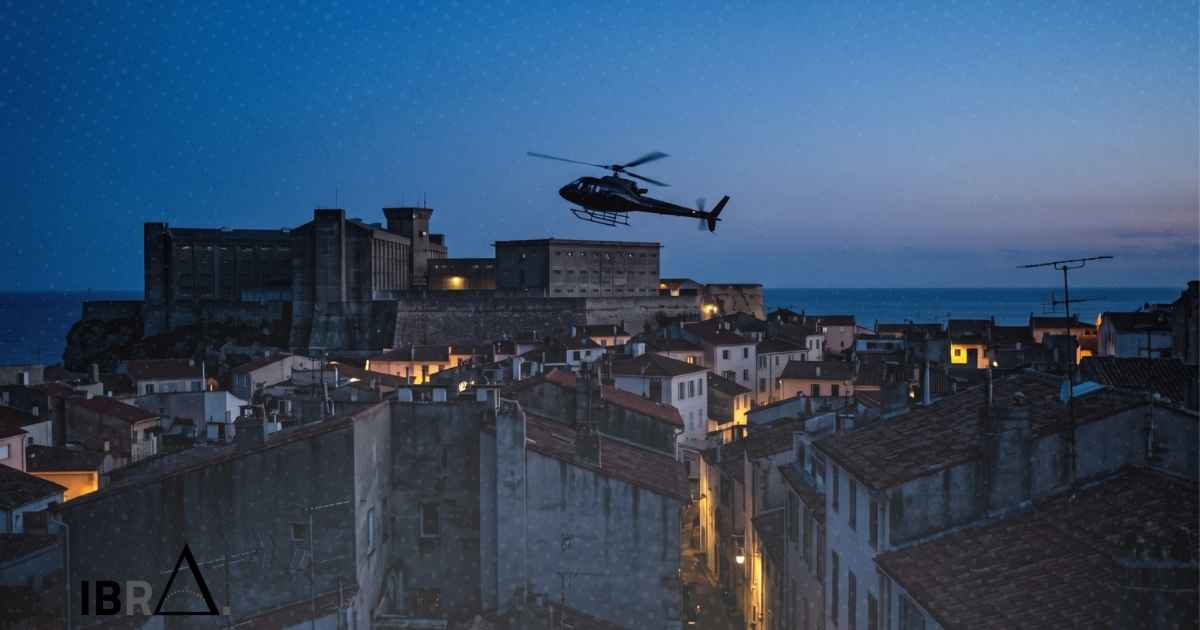
Bastille Day 2007 became his masterpiece.
By 2007 Payet carried the label DPS, détenu particulièrement surveillé, a prisoner under the highest surveillance. He was never left in one prison longer than six months and spent his days in isolation. None of it mattered on the national holiday.
On 14 July 2007, four masked men hijacked a helicopter at Cannes-Mandelieu airport and forced the pilot toward Grasse. The aircraft landed on the prison roof. The men broke through, pulled Payet out, and flew to Brignoles, where they released the pilot unharmed and vanished into waiting cars.
Spain ended the streak.
A European arrest warrant went out two days later. The search ran for two months. On 21 September 2007, police caught Payet in Mataró, a town north of Barcelona, along with two accomplices, Alain Armato and Farid Ouassou. He was transferred back to French custody on 4 October.
It is worth stopping on the price of all this. A guard was killed in 1997, and that death sits under every helicopter that followed. The escapes read like folklore, but they were violent crimes, and the man at the center of them spent most of his adult life inside a cell. Payet holds the record for the most prison escapes by helicopter. He also lost more than a decade to the system he kept beating.
He remained in custody from September 2007 until his parole in April 2019.
What the escapes exposed outlived the escapes. France rebuilt yard defenses, rewrote transfer rules, and reclassified its most dangerous inmates. The lesson was old and simple. A wall stops a man on foot, and stops almost nothing that flies.
A guard died in 1997. That fact outlasts the helicopters.