
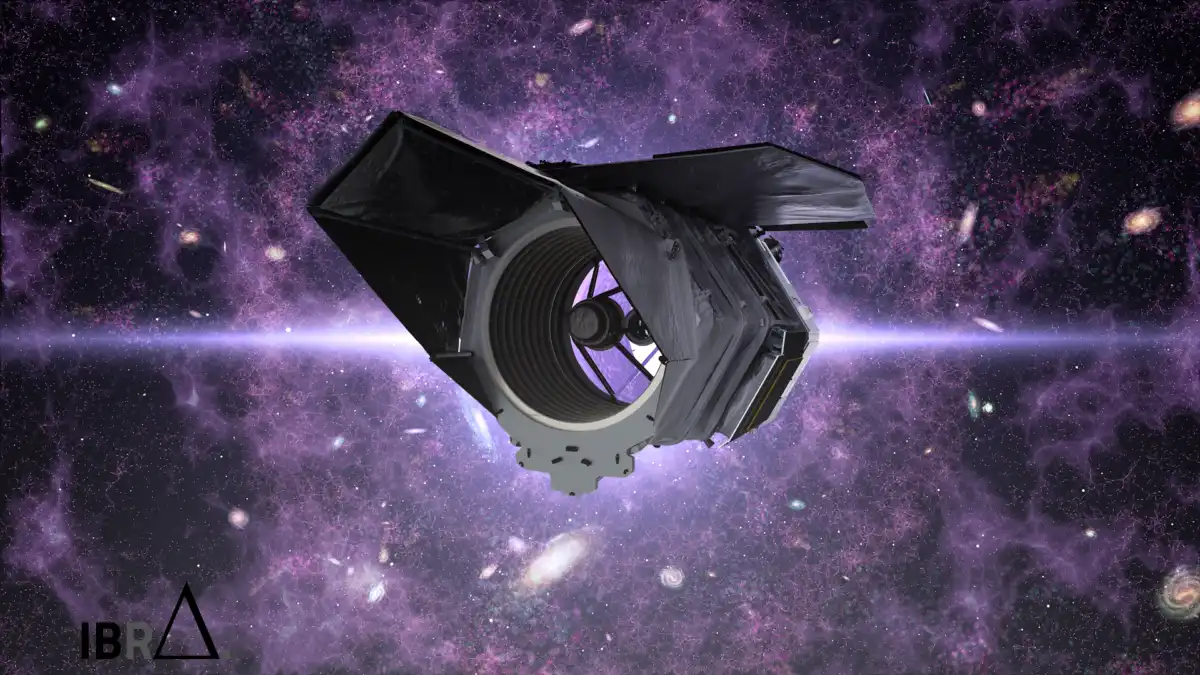

Let me start by admitting I was wrong about this telescope. For months, I assumed NASA's latest mission would be all about finding Earth-like planets-another Hubble, but better. Turns out? The Nancy Grace Roman Space Telescope is less about flashy exoplanet discoveries and more about unraveling the universe's deepest secrets: dark matter and dark energy. Yeah, those two things that make up 95% of everything in existence. Go figure.
The launch itself was smooth-SpaceX's Falcon Heavy rocket did its thing, deploying Roman toward Lagrange Point 2, a million miles from Earth. But what really matters isn't the launch; it's what happens next. Roman isn't just another observatory. It's designed to map the cosmos at a speed and scale that'll make Hubble look like a toy. Its Wide-field Instrument can capture images 100 times larger than Hubble's while keeping resolution sharp enough to spot details in distant galaxies. Think of it as a cosmic camera with a megapixel count so high, it might as well be cheating.
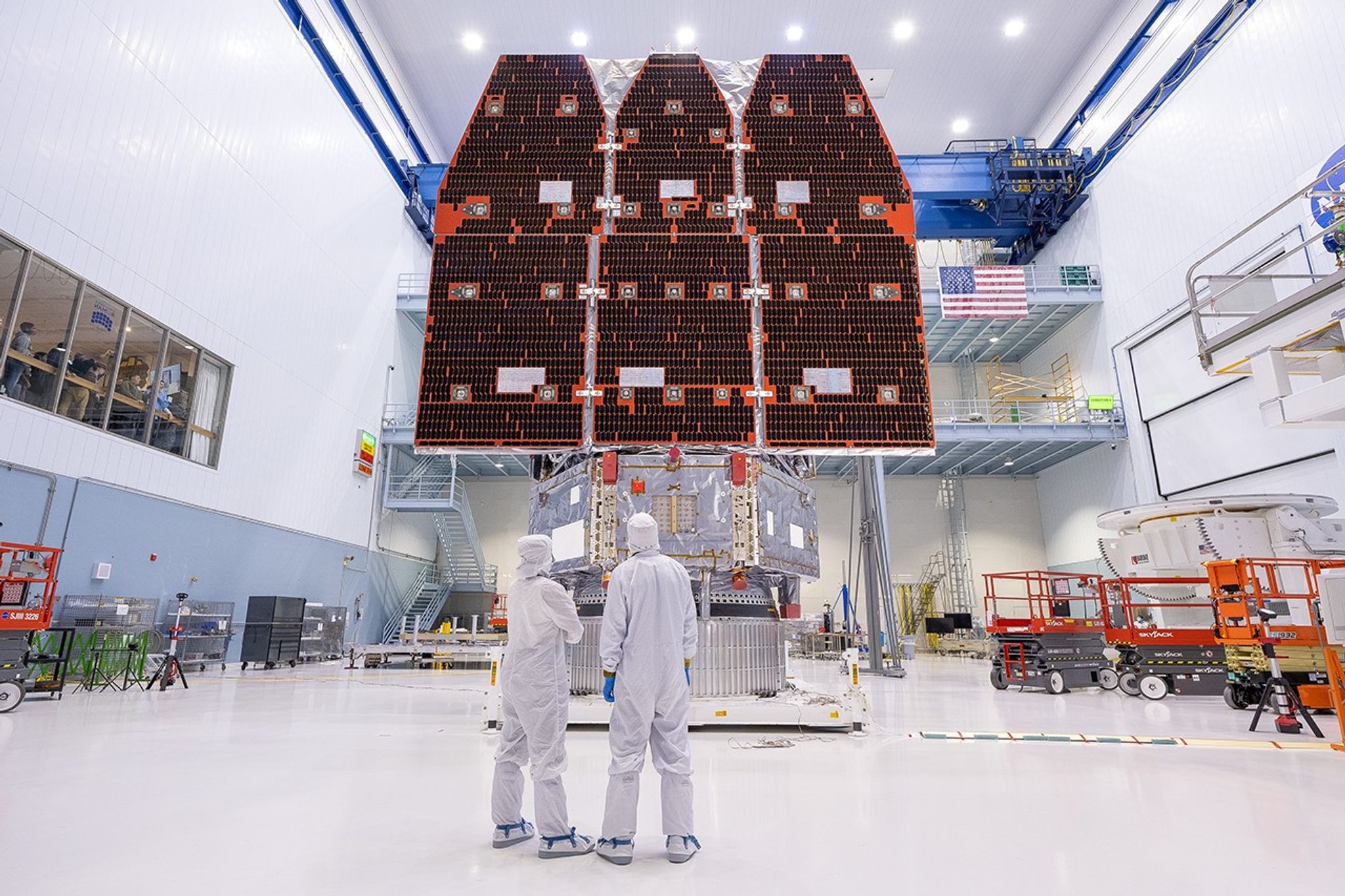
Here's where I was mistaken again: the coronagraph. Everyone's talking about how this instrument will block starlight to find exoplanets-potential Earth 2.0s orbiting other stars-but that's just one part of Roman's mission. The coronagraph is a tech demo, testing deformable mirrors and photon-counting detectors. These aren't just for finding planets; they're stepping stones for future missions that might actually spot habitable worlds. For now? Roman will identify tens of thousands of exoplanets, but its real work begins with dark matter and energy.
Dark matter-stuff we can't see but feel through gravity-and dark energy, the mysterious force accelerating the universe's expansion-are cosmic enigmas. Roman aims to map their distribution by analyzing how light bends around massive objects (gravitational lensing). This isn't just academic navel-gazing; it could reveal whether the universe will collapse in a "Big Crunch" or keep expanding forever. And yeah, that matters for your grandkids' existence.
But let's be real: public engagement is where this mission gets weirdly charming. NASA's "Adopt a Pixel" campaign lets people claim a piece of Roman's images-like owning a tiny sliver of the cosmos. It's equal parts gimmick and genius, turning data into something tangible. I'm not sure if claiming my pixel will help me sleep better, but it's a nice thought.
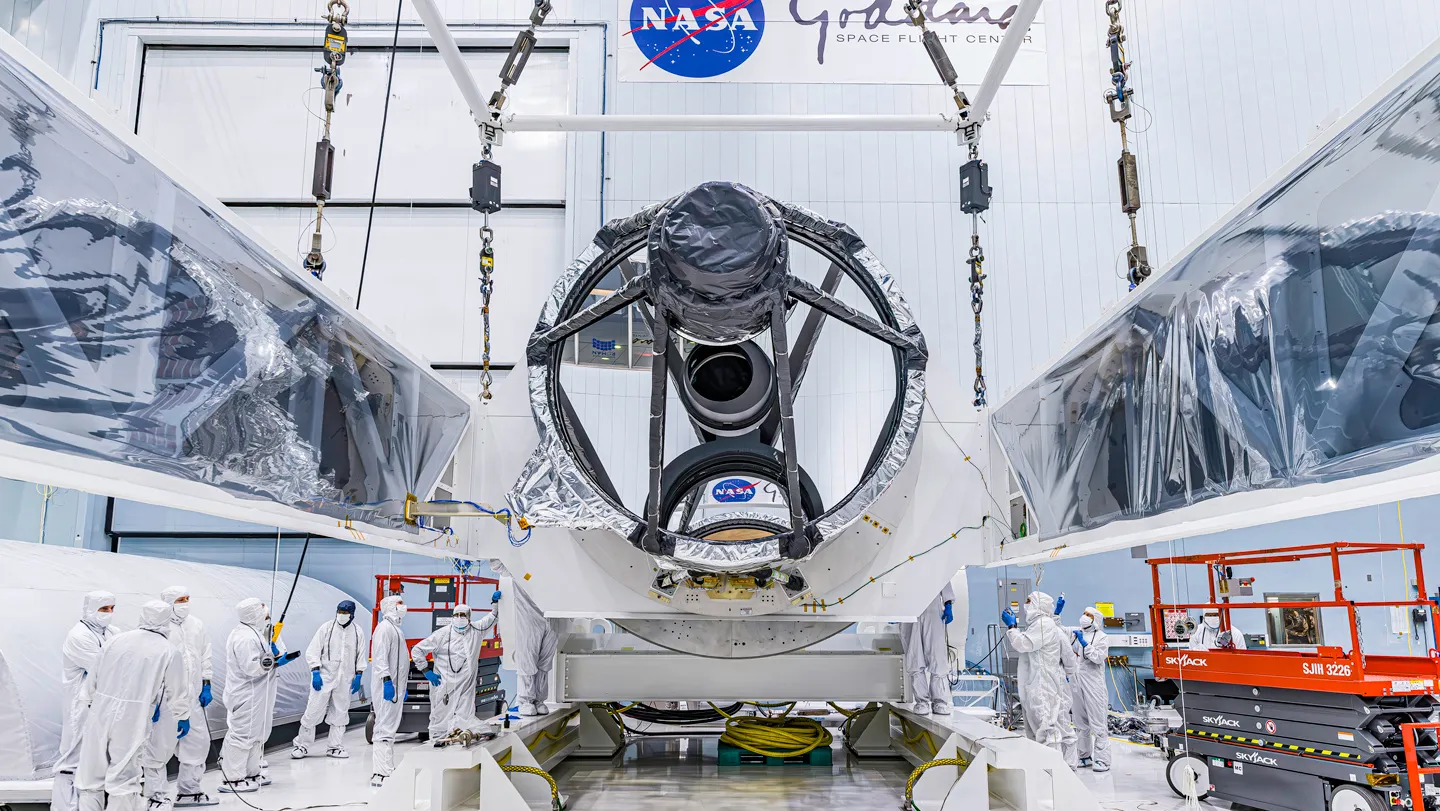
The technology is what really blows my mind. Roman combines Hubble's precision with a field of view so wide, it could snap a photo of the Milky Way in one go. Imagine that-no more stitching together thousands of images to get a full picture. This telescope can do it in seconds. And the coronagraph? It's like putting on sunglasses for starlight, allowing Roman to see planets that would otherwise be lost in stellar glare. If this works, future telescopes might finally find Earth-like worlds orbiting suns far away.
But here's the kicker: all this data will be public. By 2027, Roman is expected to start sending back images and findings-openly. That's not just for scientists; it's a treasure trove for amateurs, educators, and anyone who wants to geek out over cosmic stuff. Think of it as YouTube for astrophysics, but with way better resolution.
Still, I can't shake the feeling that Roman's biggest impact won't be in its discoveries but in how it changes our understanding of the universe. It'll force us to confront just how much we don't know-about dark matter, about energy, about whether life is a fluke or common as dirt. And maybe, just maybe, it'll find something that makes us rethink everything.
The launch was a success, but the real mission starts now. As Roman journeys to L2, its instruments will calibrate, its software will learn, and its data will trickle down to Earth. By 2027, we'll have our first looks at a universe mapped in ways never before possible. Whether that leads us closer to answers or more questions? Well, that's the point.
NASA's Goddard Space Flight Center deserves credit for building this beast-it took years of testing, and every component had to survive the harshness of space. SpaceX's Falcon Heavy didn't just launch it; it carried the weight of a mission that'll define astronomy for decades. And yet? The most exciting part isn't the hardware or the rocket. It's what happens when Roman starts looking up-and what we're forced to reckon with when it does.

So here's my final confession: I still don't know if this telescope will find another Earth. But I do know one thing-it'll make us look at the universe differently. And that, more than anything else, is why it matters.