
I treated celebrity tributes as theater for years. Someone famous dies, a stage fills with other famous people, cameras roll, and I assumed the grief was mostly for the cameras. That changed on August 29, when I watched footage from the Grand Ole Opry's tribute to Dolly Parton, four days after her death at 80 from cancer. I was wrong about what that stage was for.
The line outside told me more than the stage did
Butterflies don't ask you to perform anything.
Before the Opry doors opened that Saturday, fans lined up around flower beds planted with butterflies, Parton's longtime symbol. Some wore gowns. Many carried flowers they'd bought themselves, not merchandise handed out at the door. Inside, a letter-writing station let people put down words they hadn't planned to say out loud. Jennifer Hancock, a fan from Nolensville, told the Nashville Tennessean it was her best chance to say goodbye "in a public way." That's not a sentence built for a camera. That's a sentence built for herself.
The performers hadn't planned any of this
The lineup was booked before she died.
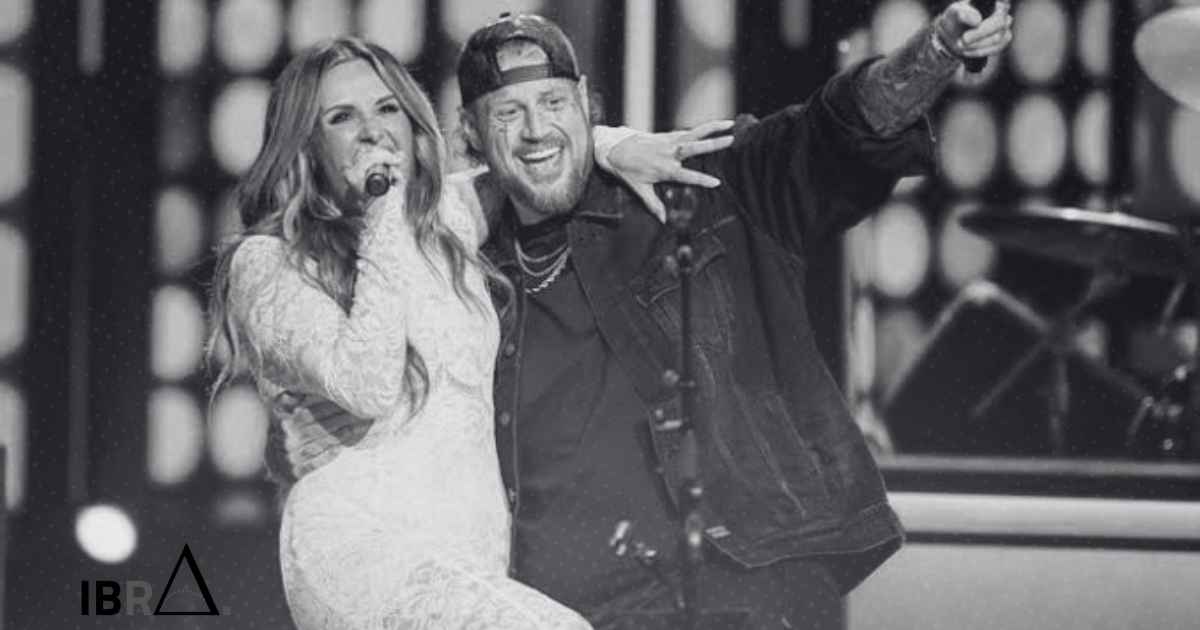
Carly Pearce and Jelly Roll closed the night arm in arm with the full cast, singing "9 to 5" as the crowd sang along. Molly Tuttle, Dan Tyminski, Kathy Mattea, and T Graham Brown were already on the bill weeks earlier, for a show that had nothing to do with a death none of them could have scheduled around. Opry executive producer Dan Rogers called Parton "the most beloved human being in the world," then corrected himself in the same breath: her career numbers weren't what came to mind first. What came to mind was the books she gave away and the people who followed her example instead of just admiring it.
Vince Gill sang the same song two ways, four days apart
A 1995 duet became a solo elegy.
Two days before the Opry tribute, on August 27, Vince Gill performed "I Will Always Love You" at Kansas City's Midland Theatre. He and Parton had recorded that song as a duet in 1995 and sung it together at that year's CMA Awards. Gill wrote on Instagram afterward that the final note of their 1995 performance was "one of the most beautiful sounds" of his career. Singing the same song alone, thirty-one years later, is not the same act. That's the part I hadn't priced in: repetition doesn't repeat the meaning, it changes it.
I mistook coordination for coldness
Four cities, four nights, no shared script.
In the same week, Kacey Musgraves covered "Here You Come Again" in Boston on August 28. John Mayer skipped a shouted crowd request for "Jolene" in the Hamptons on August 26 and played "I Will Always Love You" instead. Brad Paisley, in Bridgeport on August 27, told the story behind his 2005 duet "When I Get Where I'm Going" and admitted on stage he never expected the song to end up being about the person who sang it with him. None of these four coordinated. I'd assumed a week of tribute performances meant someone was managing the optics. What I saw instead was four separate rooms reaching for the same song because it was the only tool any of them had.
What this kind of week actually costs the people performing
Every one of these performers had to relive a specific memory, on stage, in front of strangers, while still inside the same seven days as the loss. Paisley got visibly choked up mid-sentence in Bridgeport. Gill got choked up mid-song in Kansas City. That is not a free thing to do for an audience. It costs something real to sing a duet alone, and none of these five nights let the performers skip that cost to make it easier to watch.
I hadn't watched a full night of tribute performances start to finish before this one. One night, one lineup, one city. I still don't know if a tribute like this changes anything for the people performing once the cameras leave. I know what I saw on stage now, not what happens after.