
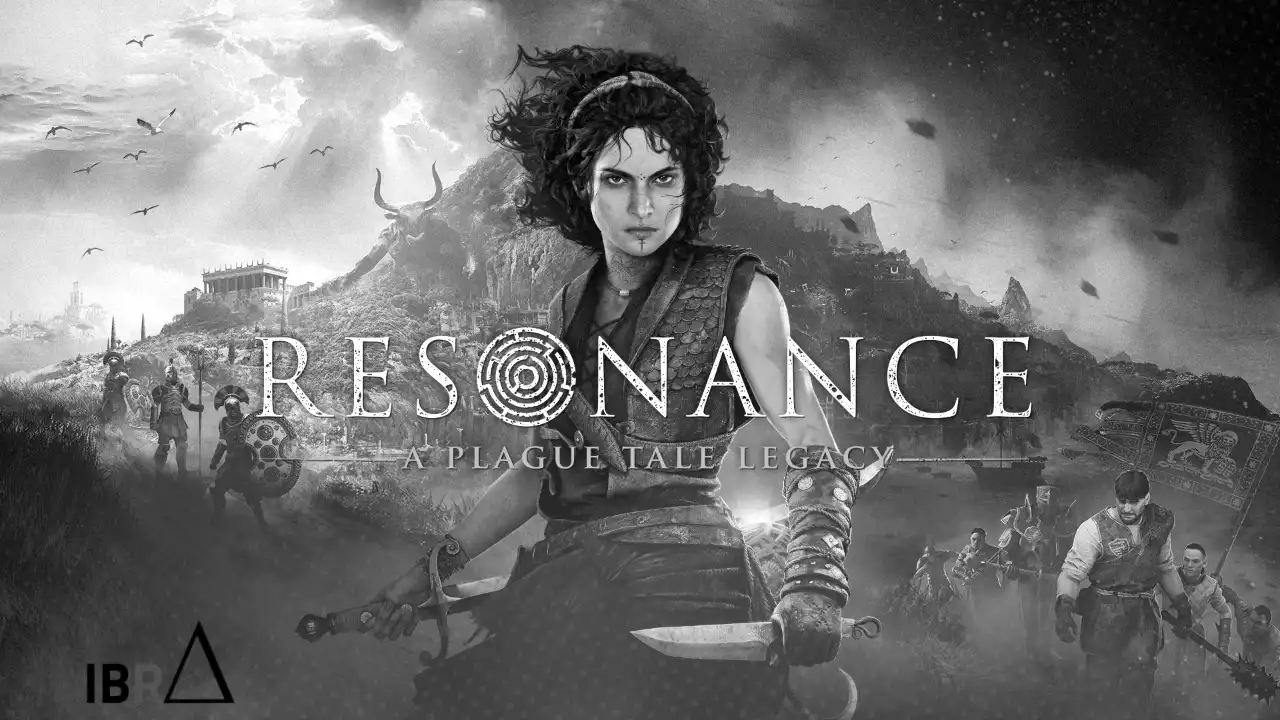
It the series. It has some good ideas, which I’ll get into shortly, but it feels like a game from a completely different franchise. At one point I found myself genuinely pondering whether or not the idea for this game was pitched, but the financial backers were wary because it was possibly playing into Greek mythology oversaturation. So they decided to greenlight it as long as they could attach to an already recognized IP, resulting in a game that feels like it doesn’t belong and were hopeful for increased sales due to name recognition.
Now I’ll remove my tinfoil hat and get into what type of game this actually is. While Innocence and Requiem were action/adventure stealth-based games, Resonance: A Plague Tale Legacy is almost strictly an action/adventure game, with a higher focus on combat and puzzles. There are some sections where you’ll have to crouch and sneak to get past the main enemy, all while trying to stay in the light, which is about the only way any of the gameplay is reminiscent of the earlier games.
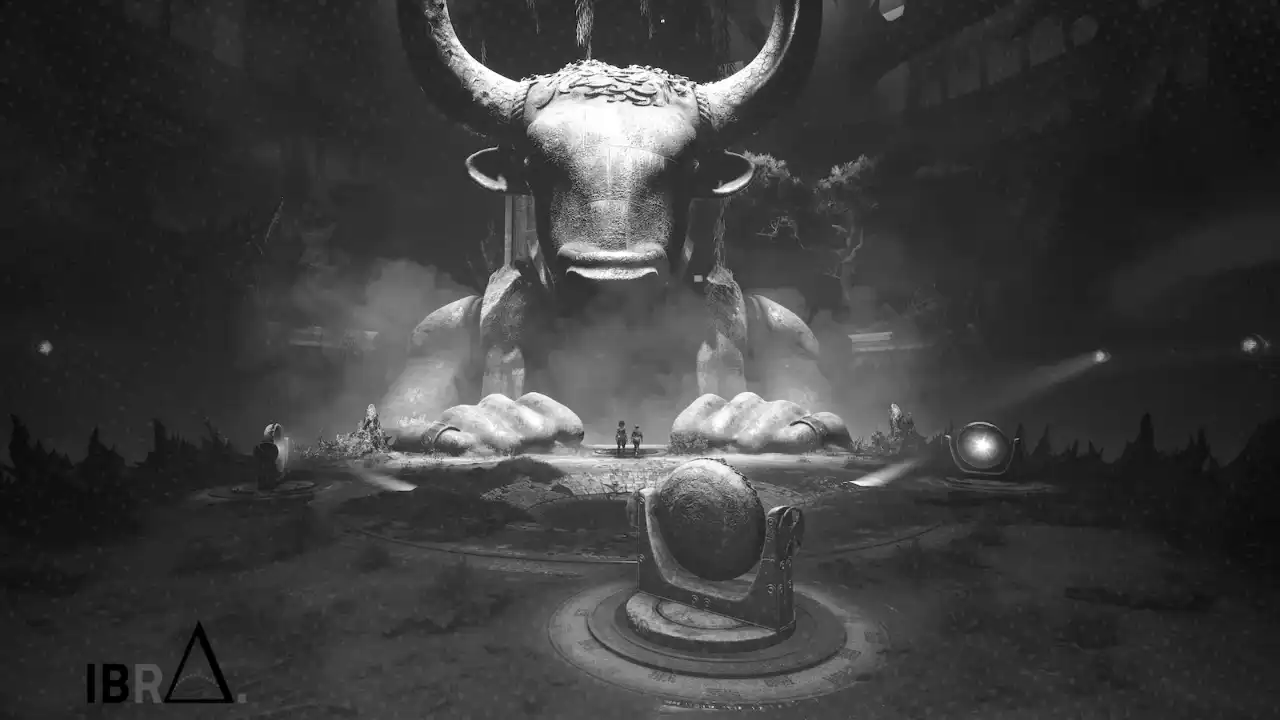
Resonance: A Plague Tale Legacy light refracting puzzle
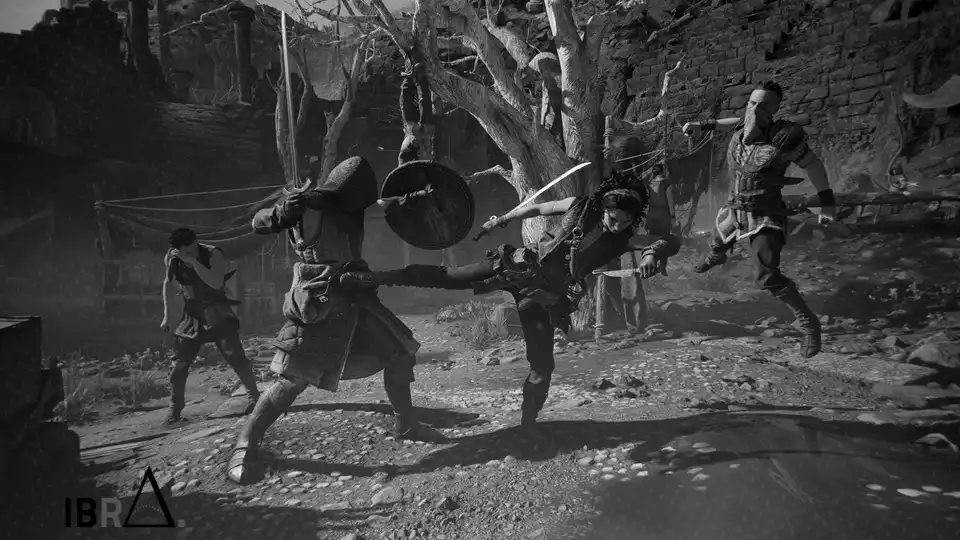
The puzzles and level design, while not typical of the Plague Tale games, are the highlight. That said, the vast majority of Resonance: A Plague Tale Legacy is combat focused. Sophia is armed with a sword and dagger, and will have to rely on dodging, parrying, and landing critical hits in order to take down enemies. There’s not much here that we haven’t seen a thousand times before in other action RPGs. She will eventually have combat mechanics involving breaking down armor and using light attacks with her orb (a carryover from Requiem that I’ll touch on in a moment), but this isn’t introduced until very late in the game.
She can upgrade her stats in two ways: collecting Resonant Points and finding items like rings, charms, and bracelets. Resonant Points allow Sophia to enhance her skills, such as delivering more Critical Hit damage and performing kicks that stun enemies. Items such as rings, bracelets, and charms can permanently increase her stats, like delivering more damage or increasing her throwable weapon capacity. There are two hundred Resonance Points to find, but thankfully, most of these are pretty easy to spot.
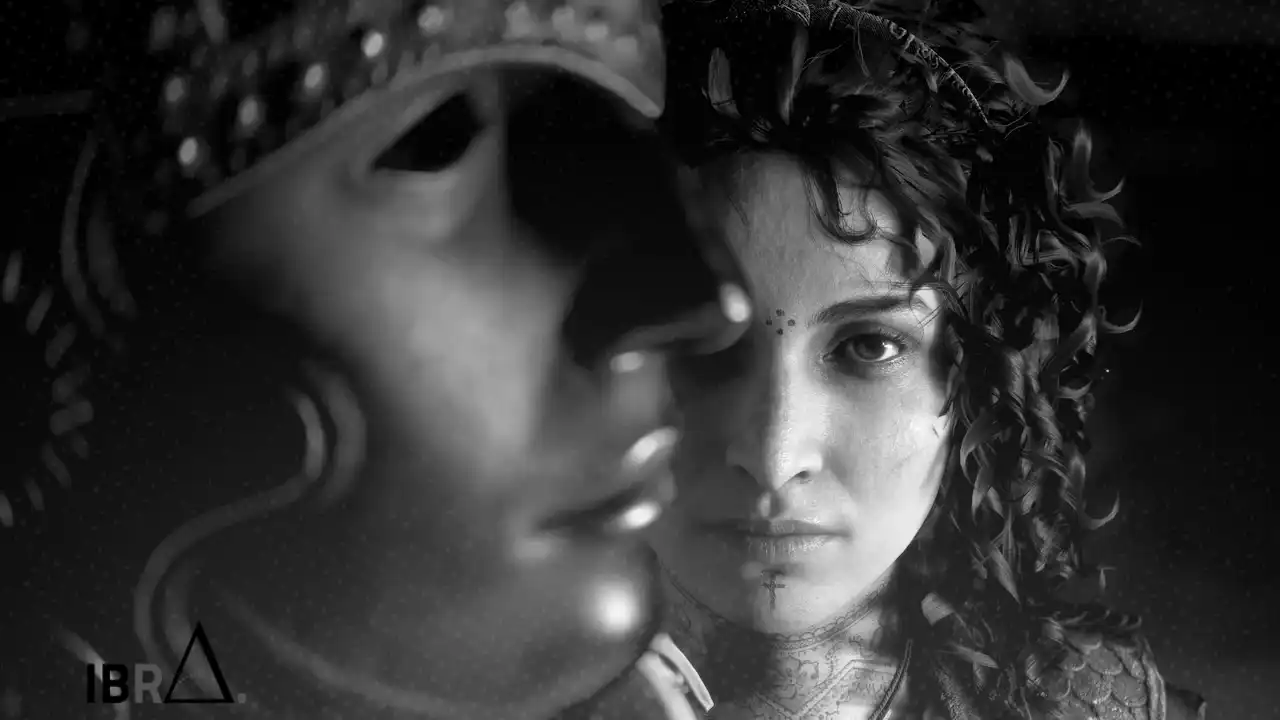
Resonance: A Plague Tale Legacy artifacts
You can wear everything you collect all at the same time! I commend this game for finally allowing us to do this!
I also greatly appreciate that Sophia isn’t limited to just one ring on each hand and only one bracelet or charm. I’ve never understood why games would limit the amount of wearable items like this, especially when most of us have two arms, ten fingers, and enough neck space to hold several necklaces. In Resonance: A Plague Tale Legacy you can wear and instantly equip every new trinket you acquire. Time to rock all the bling you can find!
It’s not all combat in Resonance: A Plague Tale Legacy though. There are also a ton of puzzles to solve as well. The puzzles and level design are without a doubt the best aspect of Resonance: A Plague Tale Legacy. As you might remember from A Plague Tale: Requiem, Sophia has a mysterious orb that lights up to reveal hidden messages and stave off the darkness in certain sections. This is essentially the origin story for this orb, which is both interesting and a little sad that this is the biggest connection between Resonance: A Plague Tale Legacy and Requiem.
Light Orb spike trap puzzle The orb can help you uncover secrets and hidden truths.
Being centered around Greek mythology, particularly the story of Theseus and the Minotaur, much of the game has Sophia exploring ancient tombs and the Labyrinth. This is where the puzzles come into play. Daedalus, the master engineer, has naturally designed the temples and Labyrinth to challenge those who seek to enter. This is a brilliant way to include puzzle elements into the game without seeming out of place. Even though I found the combat to be nothing spectacular, the level designs are easily the best part of Resonance: A Plague Tale Legacy, in my opinion.
Early on, Sophia will obtain an ancient mechanical orb that reacts to certain light elements. She can use the orb in a couple of ways: she can shine it to reveal hidden symbols or refract the light into red, green, and blue prisms. Finding hidden symbols can be used in conjunction with Sophia’s journal from when she was drawing her visions as a child, and is instrumental in solving many of the puzzles. The light refracting prisms are crucial in most of the later puzzles, with trying to find the right placement of your standing location, main targets, and the positions of your colored beams needing to be taken into consideration to light up all the necessary gems in order to progress.
Light refracting puzzle Good thing I’m not color blind.
The orb can also use its light concentrating abilities to damage specific enemies. Particularly the main spore-like enemy type and their zombified thralls. The main enemy won’t necessarily die from the focused light-beam attack, but it will damage and stun it enough to make it briefly retreat. Also, the zombie thralls aren’t introduced until the very end of the game, so this cool feature is barely used.
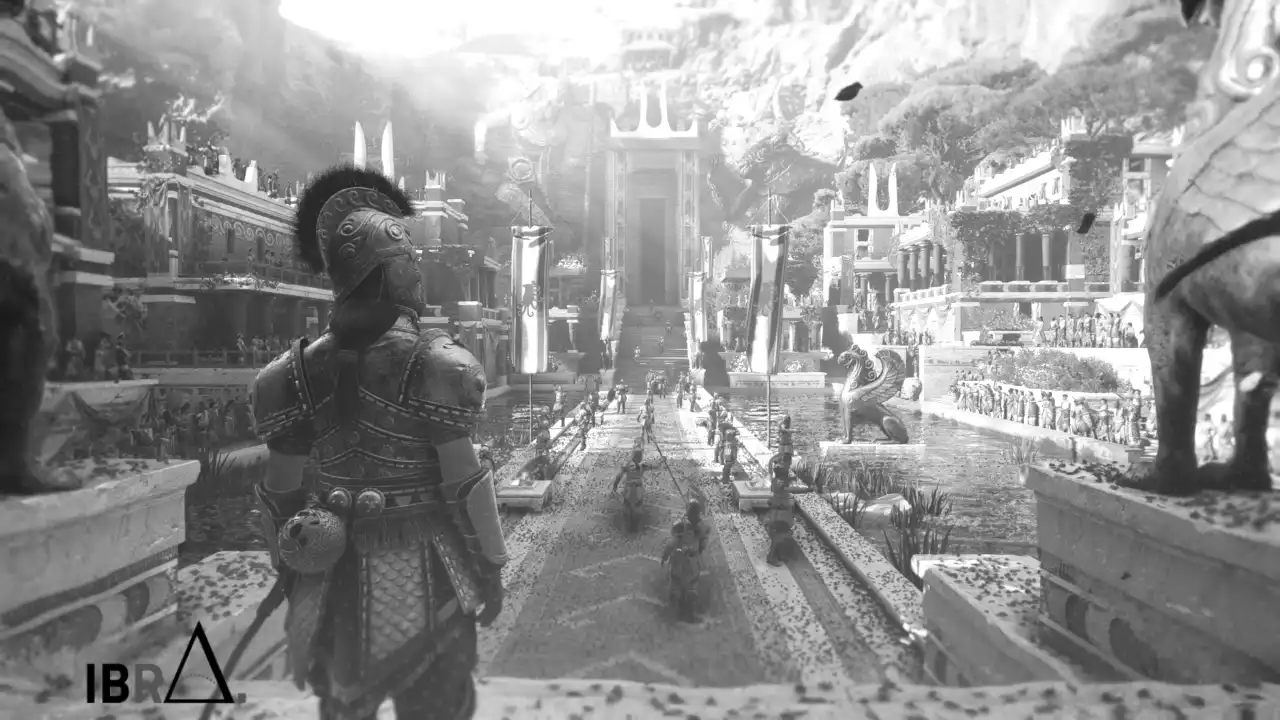
I know I’ve been giving Resonance: A Plague Tale Legacy a hard time so far, and even though I feel that my criticisms are valid, I also want to bring attention to other areas where I feel it excels. As I’ve mentioned, the level design is incredible. Some of the areas I felt were reminiscent of the original God of War games. The sheer size and scope of some of these levels are on a such grandiose scale that it wouldn’t seem out of place to look over and see Hades shift from the rocky outcropping beside you. There’s an incredible level of detail here, and that includes the character models. The facial animations are spot on, allowing for the full gambit of emotion to be on display. I’m not sure how many others will appreciate this, but Sophia’s hair was so realistic looking, so painstakingly detailed, that I found myself watching her curls sway in the breeze at times in awe.
Resonance: A Plague Tale Legacy goddess statue Oh what big nostrils you have…
I’ve also spoken about how the dark, grittiness of the other games are absent here, but I do have to admit that the scenery is stunning. Yes, the vibe and tone are different without feeling the claustrophobic tension of the city about to collapse on you at any moment. What we have in Resonance: A Plague Tale Legacy is on the other end of the spectrum, with the vibrant beauty of the Mediterranean sea and isles on full display. It’s a tonal shift, undeniably, but one does have to appreciate the natural beauty of the land the story is set in.
The sound design is mostly solid all throughout. I say mostly, as in the voice acting is a bit of a mixed bag, ranging from decent to mediocre at best. That said, the ambient sounds of the waves, wind, and birds complete the aesthetic of the Mediterranean setting. Resonance: A Plague Tale Legacy’s soundtrack is fantastic, utilizing similar orchestral compositions and melancholy vocal performances that are found in the other games. Even though Resonance: A Plague Tale Legacy has its own specific soundtrack, the overall melodic tones are harmonious with the others, especially when the tensions are at their height.
Resonance: A Plague Tale Legacy Sophia and Leni Oh I can hear you. You never stop talking.
Even though I’ve been waiting for a sequel to the Plague Tale games for a few years, Resonance: A Plague Tale Legacy Feels Like a Mismatched Prequel to Its Own Franchise
Graphics: 9/10 Sound: 8/10 Gameplay: 6.5/10 Replay Value: 7/10 Overall Verdict: 7/10