

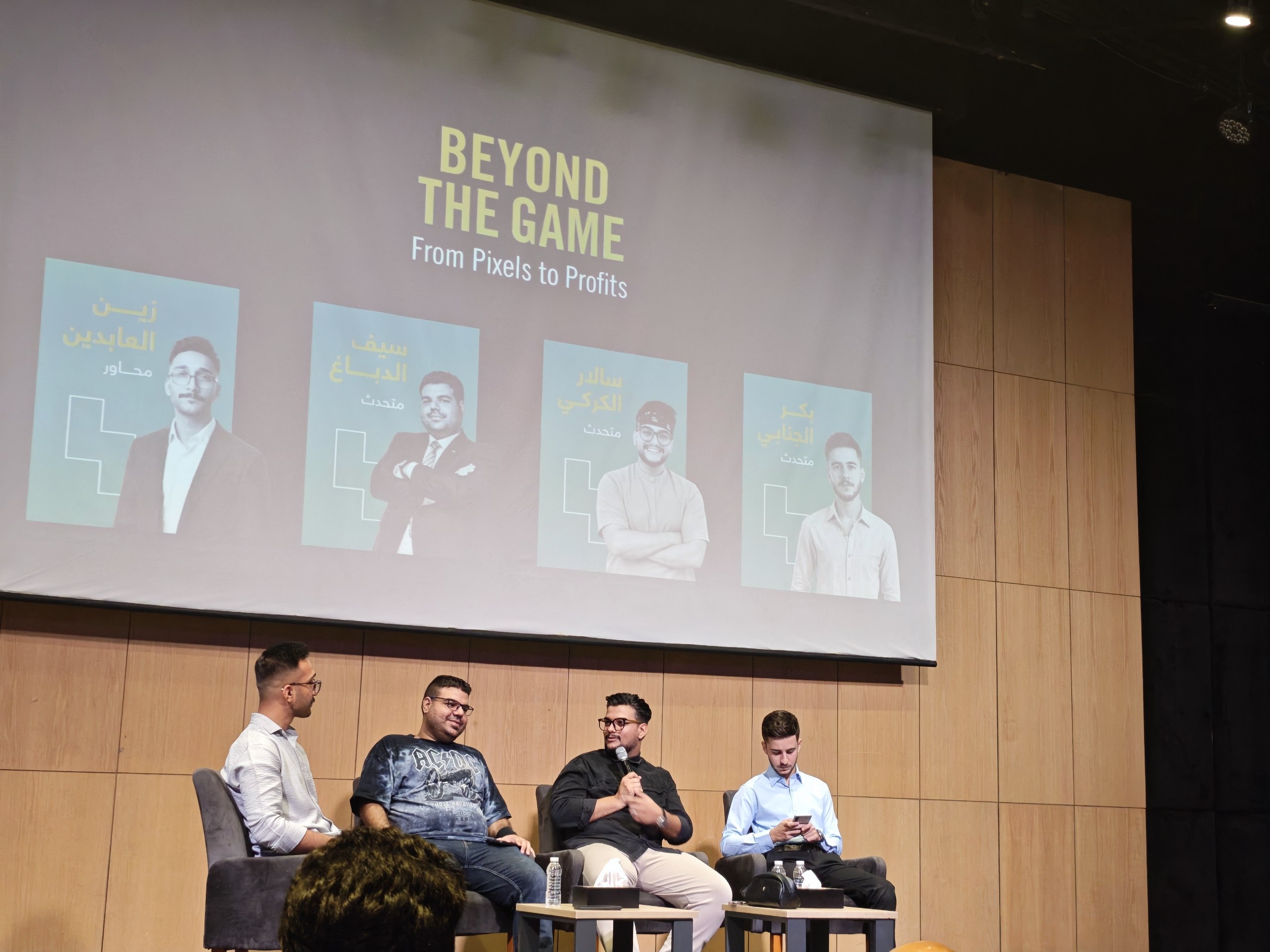
I assumed the hardest part of making games in Iraq was skill. On October 30, 2026, I recorded two interviews totaling 5 minutes 53 seconds, one with developer Ahmed Sabah, one with Bakr, founder of the IQGC community. Neither named talent as the obstacle. I was wrong about where the wall stands. This piece covers what they named instead, what they advise, and what that path costs.
Both Guests Put Money and Support Ahead of Skill
Skill never came up as the obstacle.
Ahmed Sabah answered the biggest-challenge question in one short phrase: lack of support. He said support exists inside Iraq, but it comes from other young developers, not from large or government sources. He has entered a game jam. He also follows many Iraqi programmers, inside Iraq or abroad, who he says take the initiative.
Bakr named funding. He said every IQGC event stays uncertain until the last moment. This year the group planned a large games expo and dropped it, because no sponsor offered enough money.
A 300-Person Event Showed the Audience Exists
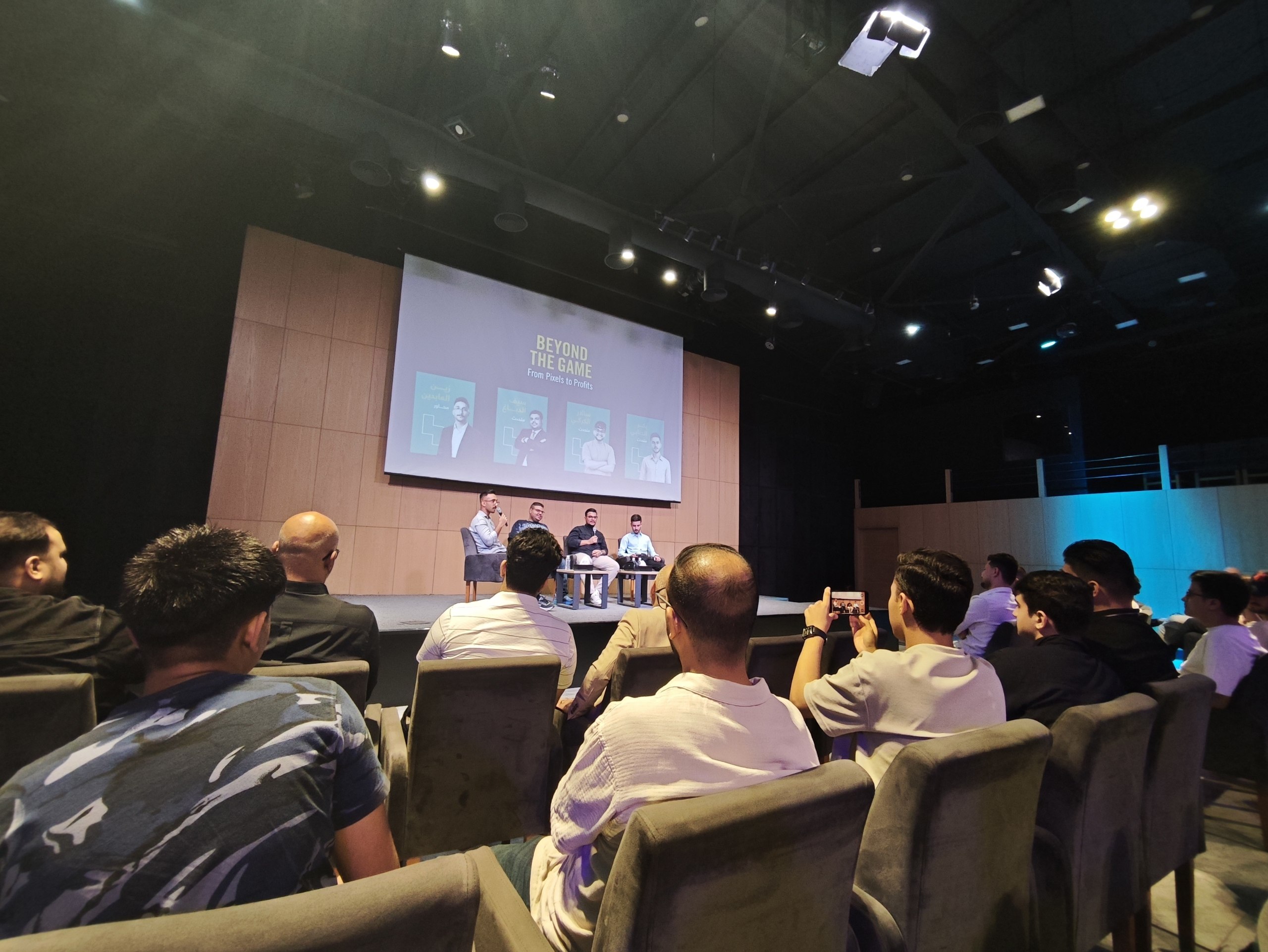
More than 1,000 registered; more than 300 came.
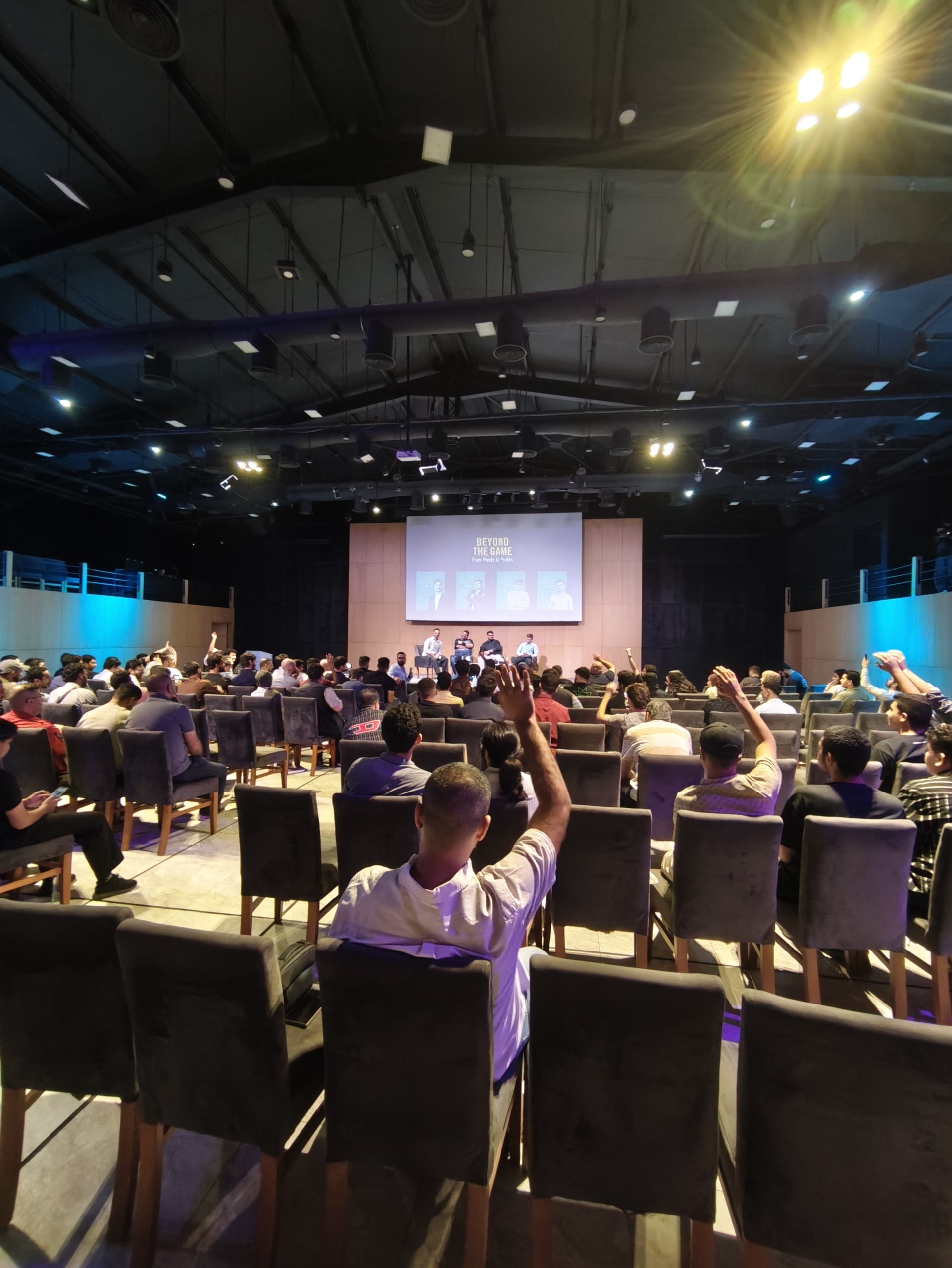
Bakr described IQGC as the first community to bring Iraqi gamers, esports players, game makers and content creators together, with most events held in Baghdad. Its first event drew more than 300 attendees from more than 1,000 registrations. That is about 3 registrations for every attendee, and it was still the first event to gather gamers, by his account. A Ramadan gathering followed and also succeeded, he said. The group is now planning a games awards ceremony, which he called the first of its kind in Iraq, honoring content creators, game makers and esports players.
Ahmed Built the Case for Making Many Small Games
Volume first, polish later.
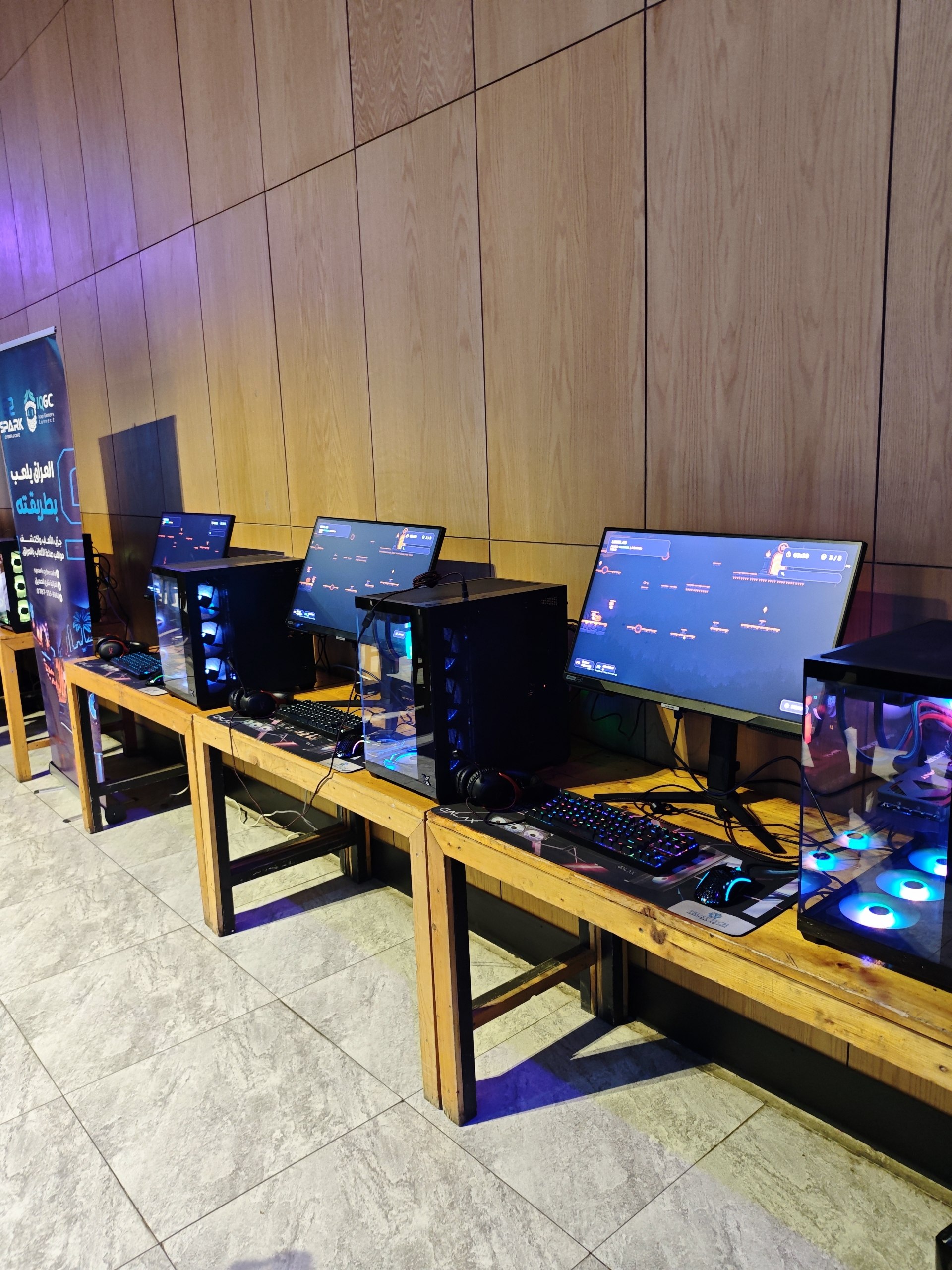
Ahmed’s answer to how a developer gains real experience was blunt: make as many games as possible in a short time. His targets were a game in a month, then a game in a week. He named ideas as the hardest stage of development. The core skill, in his telling, is picturing a game and turning that picture into reality.
A potter learns faster from a shelf of small pots than from one vase that never leaves the wheel. Short builds work the same way, because each finished game forces decisions that an unfinished one lets a developer postpone.
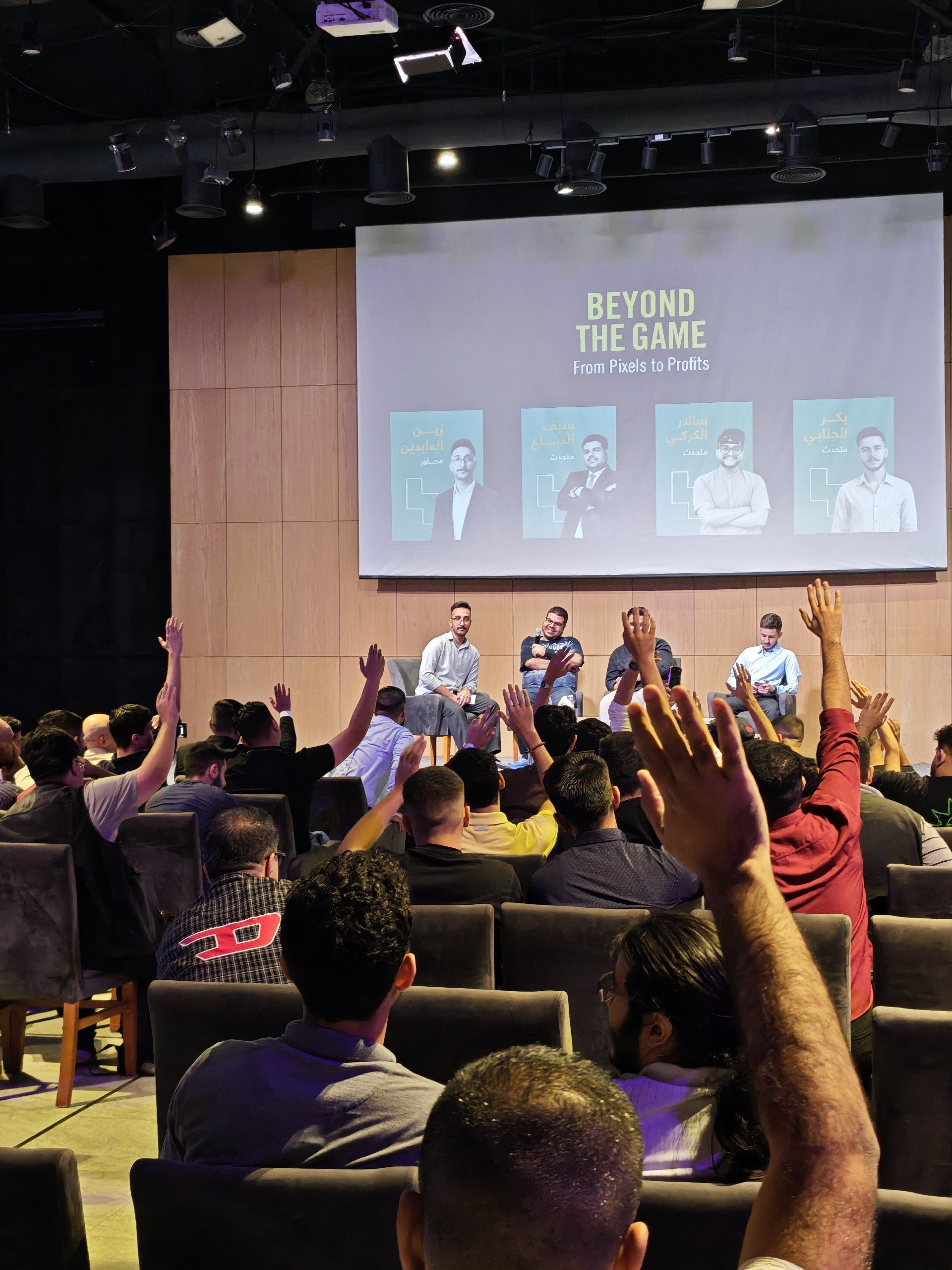
Ahmed named Godot as the engine he recommends to beginners at the moment. He listed YouTube series, online platforms and AI tools as places to learn. His own advice: join groups of other beginners, then build a community. AI is not part of his own workflow, he said, though he cut off before giving a reason. His closing advice to young developers fit in one sentence: “If you want to develop games, start.”
Selling to the World Means Competing on the World’s Terms
Culture sells only if the game does.
Ahmed said many Iraqi games are built around Iraqi culture and history. His warning: a product has to please the world to sell to the world, so Iraqi developers should compete the way the world competes. He added that a developer needs a personal touch, so that people can point at any game and say it came from that maker.
Bakr gave a shorter recipe: pick a game with a specific idea, start working, market it and publish it. He said the idea comes first, then the work, then marketing. A game needs gameplay and an idea, he confirmed when asked directly. Luck plays a part too, since a simple game can win big.
Isolation and Slow Growth Are the Price
Both guests named a cost of starting now.
Starting now has a price, and both guests named it. Ahmed called isolation his hardest experience: before about 2023 to 2024, he said, Iraq lacked this kind of support or even the presence of other programmers. Asked how to found a game studio in Iraq, Bakr laughed and said it cannot be done. He still called the future bright, but slow. IQGC events aim to speed it up with government and private-sector partners.
I now ask developers about money before I ask about code. Two people and 5 minutes 53 seconds of tape cannot speak for an industry. The wall is funding, not skill.