

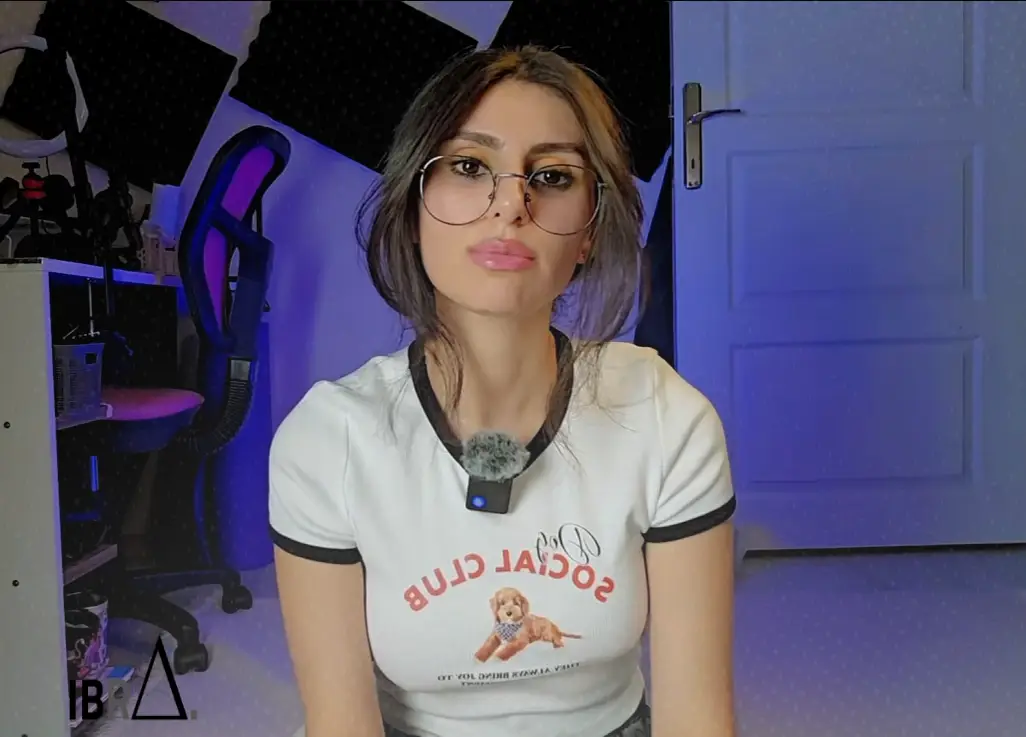
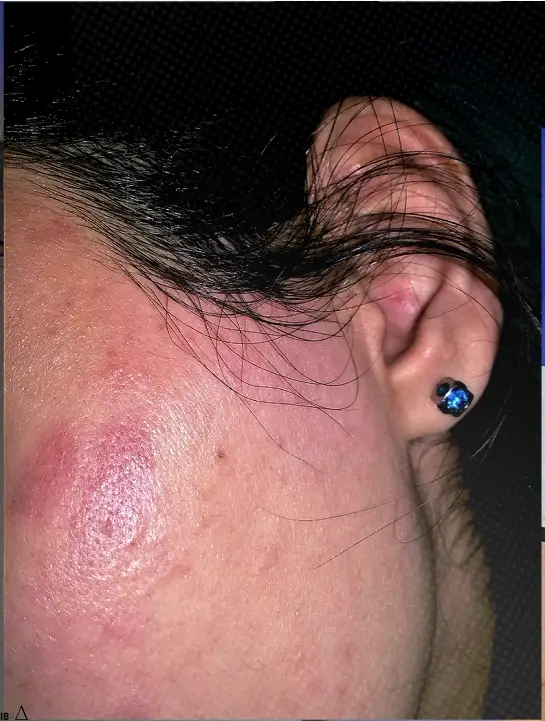
It begins with screams-raw, unfiltered sound that cuts through the sterile walls of a hospital room. This is Duha, mid-20s, undergoing what she describes as an "unimaginable" surgery while conscious. The doctor's broken Arabic words ("Duha, you're strong") feel like a cruel joke in the face of her agony. Her body clenches so hard during the procedure that later, when she wakes up, her muscles are locked in permanent cramp, forcing her to lean on a walker for weeks afterward. This is not just a physical ordeal; it's a psychological one. She says she felt "her soul leaving and another entering her" as she screamed at the door-a moment of transformation that alters her appearance: hair changes, eyes dim, features hollow. The aftermath? A body smaller, bloodied, and a husband who claims he can't afford food even though his health insurance paid for everything.

The irony here is suffocating. Duha's husband-her partner in life-is also the one who leaves her to starve while claiming poverty. For seven days after surgery, she lives alone in a five-story apartment, begging him for food as he sleeps through her pleas. He takes what little she has and fills himself up instead of feeding his wife. When she collapses from hunger, it's not a family member or friend who comes to the rescue-it's Uncle Kamil, the Turkish neighbor who once treated Duha like family, even naming a "Duha's tree" after her kindness. He storms into their home, reprimands the husband, and forces him to cook food for his wife-something he'd never done before, despite her being a skilled chef. But this moment of salvation is tinged with something darker: Duha later accuses Kamil of witchcraft, though there's no proof. Is it possible he's just another man who saw her broken and decided to twist the knife further?
The narrative takes an even grimmer turn when she learns about the cancer diagnosis. After weeks of neglect, pain becomes unbearable. Tests confirm a tumor in her uterus-a cruel joke on top of everything else. She goes home in shock, but by then, the story's first act is over; it cuts off mid-sentence, leaving readers hanging as if the real horror hasn't begun yet.
That horror returns years later-not with a scalpel or chemotherapy needles, but through blackmail and sabotage. Fast-forward to 2026, and Duha is on the run from her husband again, this time after filing for divorce. The man who once claimed he'd kill himself if she left him now uses photos of her as leverage. He threatens to expose her online, to destroy her TikTok account (which had become a lifeline) and even to take her life if she doesn't comply with his demands. It's a twisted power play that mirrors the control he exerted during their marriage: manipulating her through fear, isolation, and public humiliation.
The psychological toll is staggering. Duha admits in one of the final chapters that she can't trust anyone anymore-every relationship feels like a potential betrayal. Her health has deteriorated to the point where she survives on yogurt for days at a time, her face gaunt with starvation and trauma. Yet there's a flicker of hope: Raneen, an unnamed supporter who sticks by her through it all. He teaches her to "raise her head when she walks," after years of being told to keep it down. In his presence, she finds moments of peace-drawing in notebooks filled with tears before sharing smiles and laughter with the world online.
But even Raneen can't save her from the shadows that cling to Duha's story. She hints at a "second story" more painful than any of this, one so dangerous it could kill her if revealed. The evidence she mentions-videos, photos-is buried in files only she knows how to access. And yet, even as she prays for strength to survive, she warns: if she vanishes suddenly or disappears from the public eye, don't remember her by the pain. Remember the laugh and the resilience.

The archival notes add layers of complexity. Timeline-wise, this isn't just a recent saga-it's been unfolding since 2013, starting with marriage in Jordan (though details are murky), followed by a move to Turkey, pregnancy, miscarriage, and the slow unraveling into cancer diagnosis, social media presence, and finally, the escape in 2026. The names we know-Duha herself, Zaynab her childhood friend, Uncle Kamil with his wife, Raneen-are only fragments of a larger web of people who've shaped this story. The husband's family is faceless, their roles unclear beyond being enforcers in the trauma Duha endured.
What stands out most? The contradictions-how she had insurance but was left to starve; how Uncle Kamil claimed he loved her as family yet could be accused of sabotage later; how a diagnosis like cancer feels almost secondary to the emotional and psychological warfare she's been through for years. These aren't just plot points-they're reflections of systemic issues: domestic abuse hidden behind cultural expectations, the failure of institutions (healthcare systems that let people starve), and online spaces that become battlegrounds in real life.
And then there's the question of truth itself. Duha says she has evidence-photos, videos-but won't reveal them unless "the time is right." Does that mean they're incriminating? Or are they just another layer of her own narrative, one where even the pain feels curated for public consumption? The writer in me wants to pry deeper into the "second story," but Duha's warnings are clear: some truths can kill you.
In the end, this is not a tidy tale of redemption or justice served. It's raw, messy, and unresolved-the kind of story that leaves readers with more questions than answers. But it's also a testament to survival. She's endured surgery without anesthesia, starvation, betrayal by those who claimed to love her, cancer, and the slow erosion of trust in humanity itself. And still, she walks-with or without Raneen-as if saying: I am here.
The IBRA team's notes are a reminder that this is only the beginning of documenting Duha's life. There's more to uncover: the timeline between 2013 and now, the identities of those who betrayed her (or didn't), and above all, that second story she refuses to tell until "the time is right." For now, we're left with a woman who's fought through hell-and still manages to smile.